Walk through a busy CNC machine shop at 6 a.m. and you can feel the rhythm of modern manufacturing. Toolchangers click, coolant sprays, and spindles hum through aluminum and alloy steel. On one bench a first-article part waits for inspection, still warm from the spindle. In the office, a programmer tweaks a toolpath to shave 12 seconds per cycle without nicking a corner radius. CNC machining is not a single service but an ecosystem of processes, tools, software, and judgment. Understanding what a capable machining manufacturer actually provides helps you spec parts wisely, avoid delays, and get the most from your budget.
What people mean by “CNC machining services”
At its core, CNC machining services turn digital designs into physical parts by removing material with computer-controlled tools. The phrase covers far more than just pressing the green button. In a mature cnc machining shop, you get support across the entire lifecycle: design for manufacturability input, CAM programming, material sourcing, fixturing, precision cnc machining itself, metrology, secondary processes, and logistics. When a metal fabrication shop markets cnc metal fabrication or cnc metal cutting, they might include forming, welding, and finishing alongside subtractive machining, especially in a custom metal fabrication shop that handles custom steel fabrication under one roof.
For buyers in industrial machinery manufacturing or those who build to print, the details matter. Are you sending a clean, toleranced model with a surface finish callout, or do you just have a sample part and a sketch? A seasoned cnc machine shop adapts. The best ones make life easier by spotting traps before they become scrap.
Parts and industries that lean on CNC
I have seen a wide range of sectors rely on cnc precision machining. Mining equipment manufacturers need reliable, heavy-section components, often in abrasion-resistant steels or large-diameter bronze bushings. Underground mining equipment suppliers run on quick-turn spares where downtime costs real money, so the cnc machining services must be responsive and traceable. On the other end, food processing equipment manufacturers ask for stainless components with fine surface finishes, cleanable radii, and weld-prep features that meet sanitation standards. Logging equipment parts tend to be rugged, with generous chamfers and robust threads, while biomass gasification skids blend machined flanges, custom fabrication, and steel fabrication for high-temperature service.
A Canadian manufacturer serving metal fabrication Canada often carries multi-process capability. Many metal fabrication shops combine machining with a welding company and a steel fabricator under one roof, so they can produce a custom machine or a full assembly from a mix of machined plates, turned shafts, and welded structures. That combination reduces handoffs, which is a blessing when tolerances stack or alignment is critical.
Core machining processes inside a cnc machine shop
Different parts demand different methods. A complete cnc machining shop usually offers several core services.
Milling does most of the shape-making. Three-axis vertical machining centers handle prismatic parts, pockets, slots, and planar faces. Add 4th or 5th axis and you can hit multiple sides in one setup, control orientation for true positional tolerances, and cut organic geometries. On a 5-axis, tilting the tool can maintain a consistent cusp height on sculpted surfaces or avoid long stickout on deep pockets.
Turning handles round work. A 2-axis lathe knocks out shafts, bushings, and threaded features. Mill-turn machines add live tooling for flats, keyways, cross holes, and milled features without moving the part. Bar-fed lathes run lights-out on high-volume pins or fittings. Chuckers handle larger forgings and castings. If you need tight runout or coaxiality, keep turning operations consolidated.
Wire EDM and sinker EDM come into play for hardened materials, sharp internal corners, and delicate features that would chatter under a cutter. I have used wire EDM for die details in tool steels and for extracting broken taps without scrapping a thousand-dollar blank. It is slower than milling but precise and stress-free.
Grinding takes surface finish and geometry to the next level. Surface grinders hold flatness in the micron range. Cylindrical grinders bring OD and ID tolerances into a few microns with perfect roundness. When bearing fits matter, grinding is the closer you call in the ninth inning.
Drilling and tapping range from high-speed peck cycles in aluminum to form tapping stainless for stronger threads. Deep-hole drilling and gun drilling push past 20 or 30 times diameter with straightness that would be hard to achieve otherwise.
Sawing and cnc metal cutting, including waterjet or laser in some hybrid shops, rough out blanks efficiently. When a manufacturing shop blends plate cutting, machining, and welding, they often waterjet or plasma-cut near-net shapes, then finish-machine critical faces.
What “precision” really means on the floor
Precision cnc machining gets talked about like a label, but in practice it is a chain of behaviors. It starts with how the machinist references the part, how fixtures locate and clamp, and how the toolpath balances tool pressure. I would rather hold a 10-micron flatness on a steel face with a double-contact spindle, rigid fixture, and a gentle finishing pass than chase tolerances with a worn vise and a spreadsheet of corrective offsets.
Thermal management plays a part. A part that measures perfect at 8 a.m. can drift when the afternoon sun warms the shop. Shops that take metrology seriously keep granite tables away from bay doors, probe parts at steady temperatures, and understand when to chase a number and when to control the environment.
Measurement choices matter. A bore at 25.000 mm ±0.010 mm might be measured with a three-point bore gage during setup, then confirmed on a CMM for the report. Thin-walled parts deflect under a touch probe, so you might move to air gages or a functional plug. Precision is not just a machine spec, it is a measurement strategy.
From model to metal: how a job actually runs
A typical job flows through several hands. It begins with an RFQ and a model, often STEP or native CAD. An estimator looks at the geometry, material, tolerances, and quantities. They weigh cycle time against setup time. Ten pieces of a complex part might go on a 5-axis fixture that saves two setups and prevents stack-up. For one-off prototypes, they might keep it simple to reduce prep time and risk.
Programming converts CAD to CAM. The programmer selects tools, speeds, and toolpaths. They juggle chip load, reach, and workholding limits. With 7000-series aluminum, you can push high surface feet per minute and aggressive feed per tooth. With 316 stainless, you cut slower, manage heat, and avoid rubbing that work-hardens the surface. Coolant type, tool coating, and flute count all factor in. Sometimes the smartest move is a custom tool to combine two operations, even if the cutter costs more.
Setup is where a lot of outcomes are decided. Good fixturing makes the part behave. On thin plates, vacuum or dedicated soft jaws distribute load and prevent bowing. For long shafts, a steady rest tames chatter. On irregular castings, a machinist might stone datum pads, blue-check contact, and shim strategically to avoid rocking. Probe routines pick up datums and validate rough stock before the first cut.
Machining is a dance between removing material and preserving geometry. Roughing clears chips and heat. Semi-finishing brings you into a stable amount of stock for a final pass. On bores, I like to rough, let the part relax, then finish later in the cycle or even in a second operation after stress relieves. Breaking edges matters more than customers think. A consistent 0.3 mm chamfer or a light deburr avoids injuries and ensures parts assemble without galling.
Inspection is built in, not bolted on. In-process checks catch drift before it becomes scrap. Final inspection compiles results. For regulated sectors, a machining manufacturer will include material certs, heat lots, and traceable dimensional reports. If the project is build to print for a defense or mining client, expect controlled revisions and sign-offs.
Packaging and logistics close the loop. Oiled steel parts go in VCI bags to prevent corrosion. Precision faces get cardboard protectors or foam. If the part is going to a welding company for joining, I often include a note on clamp points so the weld fixture designer understands how the part was datumed.
Materials, grades, and what they mean for cost and lead time
Materials drive machine time, tooling life, and supply risk. Aluminum 6061 is easy to source, forgiving to cut, and often the fastest path to a prototype. 7075 and 2024 bring strength with moderate machining difficulty. Stainless grades split into free-machining 303, corrosion-resistant 304 and 316, and precipitation-hardened 17-4. 17-4 PH has become a go-to for food processing equipment components that need strength and sanitation.
Carbon steels like 1018 or 1045 cut cleanly and weld well. Alloy steels, 4140 and 4340, bring toughness. Heat treat adds a step but improves performance in pins, gears, and wear components. Abrasion-resistant plate, AR400 or AR500, shows up in mining chutes and logging equipment wear parts, though machining it takes patience and sharp inserts.
Nonferrous metals have their roles. Bronze bushings, brass valve bodies, and copper heat spreaders come through a cnc machining shop with tailored feeds and speeds to avoid built-up edges. Titanium commands respect: low thermal conductivity, springy behavior, and a narrow sweet spot between rubbing and chipping. Expect slower cycles and rigid setups. Plastics like acetal, PEEK, and UHMW appear in custom fabrication for food-grade wear strips or insulating components. Each plastic moves under heat, so you fixture and measure with a lighter touch.
Sourcing ties into schedule. A steel fabricator inside a larger operation might pull common sizes from stock, while special alloys add days or weeks. If you plan a large run of parts for industrial machinery manufacturing, loop in your supplier early so they can align bar stock or plate deliveries and not get stuck waiting on a mill run.
Design for manufacturability: small choices, big savings
A little forethought at the CAD stage can cut weeks off the schedule and thousands off the cost. Deep narrow pockets make sense on paper but challenge tool reach and chip evacuation. If you can open the pocket width slightly or add relief radii at the bottom, the machinist can use a stouter tool and a shorter stickout. That tends to improve finish and cut time.
Hole families benefit from standardization. If you can keep tapped holes to a small set of sizes and depths, the shop can run a consistent tap library and reduce tool changes. Counterbores with standard diameters and depths let the shop use off-the-shelf cutters rather than custom spotfacers.
Tolerances deserve respect. A blanket ±0.05 mm across the board looks tidy but drives cost where it is not needed. Identify only the critical surfaces and fits. Everything else can float within a more generous range. Surface finish is similar. A 0.8 µm Ra across all faces is overkill if only the sealing face matters. If you communicate functional requirements instead of decorating prints, the Machine shop can suggest balanced callouts.
If weldments are part of the assembly, collaborate with the steel fabrication team. Machining a feature before welding might be cheaper, but post-weld machining yields alignment that survives weld shrink. A combined welding and cnc machining services provider can stage these operations intelligently, for example by rough-milling pads, welding the frame, then finish-machining datums and bearing bores in one setup.
Tying machining to fabrication and assembly
Many projects fall at the boundary of machining and fabrication. A custom metal fabrication shop that also runs a cnc machine shop can take a plate that was laser-cut, prep the edges, weld a subassembly, then fixture the weldment on a horizontal mill to true up mounting faces and bores. For mining and logging equipment frames, that integrated approach keeps holes on pattern and flatness under control. In food processing, stainless frames are welded, stress-relieved, pickled, passivated, then machined where gaskets or bearings sit, so sanitation and precision both win.
On custom machines and manufacturing machines, parts come together from many sources: purchased bearings, turned shafts, milled brackets, and control enclosures. An Industrial design company might hand off slick 3D models. The cnc machining shop then translates that intent into manufacturable details: adding chamfers for assembly, calling out thread classes, choosing tolerances that stack well, and assigning datum schemes that inspectors can actually measure.
Automation and lights-out reality
CNC suggests automation, but not every part runs unattended. The sweet spot for lights-out is repeatable, compact parts with reliable chip control and robust tools. Bar-fed lathes can make hundreds of fittings overnight with a spindle liner and chip auger. On mills, pallet systems allow the shop to queue jobs, probe stock, and keep the spindle cutting through breaks. For heavy steel parts that need deburring between ops, full automation is rare, but partial automation like probing macros and tool life monitoring still pay off.
Tool life management keeps surprises from ruining a night shift. Programmers will set tool counters conservatively, add redundant sister tools, and program tool break detection with a probe or a load monitor. Coolant concentration and filtration play a bigger role than buyers expect. In a cnc precision machining environment, bad coolant wrecks finish and chips weld to cutters. Good coolant extends insert life and makes the morning cleanup less of a slog.
Tolerance, surface, and geometry: how shops validate quality
A strong machining manufacturer invests in metrology. CMMs handle complex geometry and reports for PPAP or FAIR submissions. Articulating arms measure large weldments and assemblies. Surface roughness testers confirm Ra on sealing faces. Air gages, height masters, and gauge blocks cover day-to-day checks. Vision systems add speed on small parts with fine features.
The paperwork side is part of the service. Material test reports trace the heat. Process sheets record setups and tools. For regulated sectors, the cnc machining services might include control plans and FMEAs. A cnc machine shop serving Underground mining equipment suppliers and food processing must keep documentation clean in case of audits or investigations after a field failure.
Statistical process control appears where volumes justify it. Even on short runs, a shop that trends bore sizes or flatness learns faster and dials in stable processes. The practical test for me has always been this: if I run the same part next month, can I reproduce the result without re-inventing the setup? Good records and fixtures answer yes.
Coatings, heat treat, and finishing that complete the part
Machined parts often leave the spindle only partway done. Heat treat cycles like quench and temper, nitriding, or precipitation hardening bring the strength or hardness target. The timing matters. Heat treat can move a part a few tenths to a few hundredths of a millimeter depending on geometry. Rough machine, heat treat, then grind or finish-machine critical faces to size. For shafting, induction hardening followed by a light grind creates a wear surface while keeping the core tough.
Surface treatments fight corrosion and wear. Black oxide, phosphate, and passivation for steels and stainless. Anodize for aluminum, clear or hardcoat depending on service. Zinc or nickel plate for fasteners and hardware. Dry film lubricants on sliding fits. Some food applications prefer electropolish for cleanability. Communicate the environment and maintenance plan, and your supplier can guide the stack. If the part is welded after coating, expect rework or localized touch-ups, so schedule finishing last where possible.
When machining meets procurement reality
Lead times depend on the slowest step. If a custom tool must be ground, add a week. If heat treat needs a full load at the furnace, expect a few extra days. Coatings shops can bottleneck during seasonal surges. In Canada, weather even affects shipping, so a canadian manufacturer often builds buffer into winter deliveries. A reliable cnc machining shop will be transparent about these variables and propose alternates: swap a coating, change a material temper, or tweak a tolerance to avoid a grinding pass.
Costs follow a logic: setup, cycle time, tooling wear, material, and overhead. A short run suffers from setup amortization. If you can commit to a blanket order, the shop can invest in modular fixtures and drop the per-part cost. Conversely, if you only need a few spares per year for a legacy machine, accept that price per piece will look steep compared to a catalog part.
How to choose the right partner
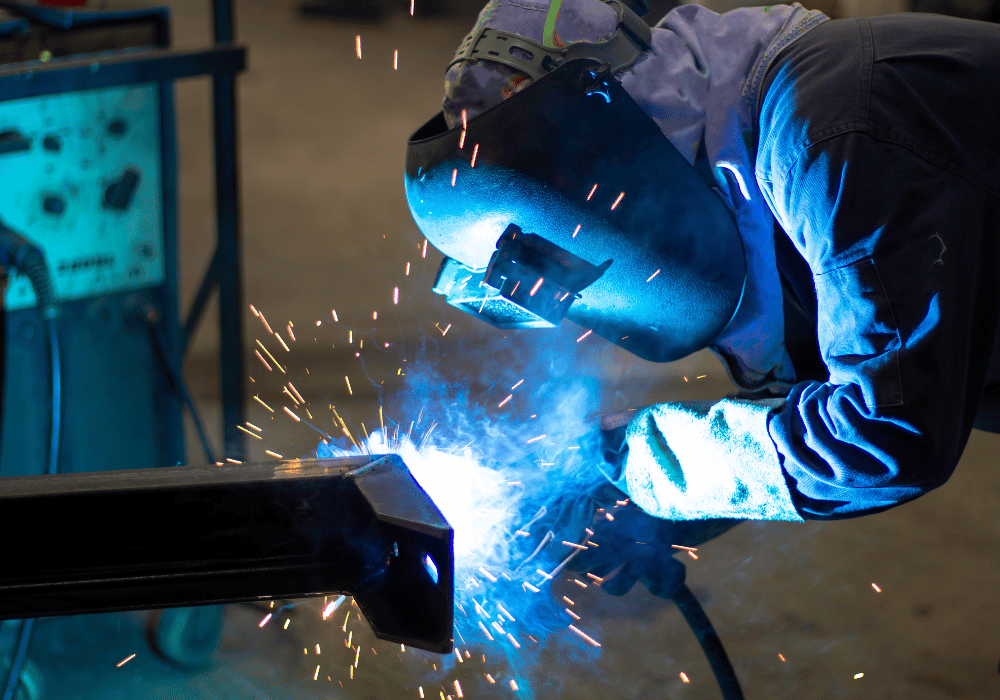
If you are sourcing a partner from among metal fabrication shops or a standalone cnc machining services provider, look beyond the logo on the website. Walk the floor if you can. You should see labeled fixtures, a clean tool crib, and in-process inspection sheets that are actually filled out. Ask how they handle a dimension that drifts mid-run. The honest answer will include tool wear, probe checks, and a rework path. If they also act as a steel fabricator and welding company, look for how they control distortion from weld to machine. For a complex assembly with machining and custom fabrication, integration beats the lowest quote.
References help. If they regularly serve mining equipment manufacturers, expect comfort with large parts, rugged materials, and field deadlines. If they build for food and pharma, expect discipline around finish and documentation. A good Machining manufacturer will tell you which work they are best at and which they would refer out. That humility saves both of you time.
Practical examples from the field
A shaft assembly for a logging head needed a 62 HRC wear surface on a 4140 core with tight runout over 600 mm. We rough-turned oversize, stress-relieved, finish-turned, induction hardened the wear area, and finish-ground the bearing journals and seal lands to a few microns. The right sequence prevented the classic hump at the transition from hard zone to soft.
A stainless manifold for a food line had intersecting bores and a fine Ra on gasket faces. We used form tools to blend radii, inserted a deburr toolpath to knock off edges inside the part, and controlled burr migration with intermediate break edges. Passivation followed machining, with plastic caps on ports to keep threads perfect. The client initially asked for a 0.4 µm Ra on every face, but after discussing washdown and gasket contact, we limited that finish to two flanges and dropped cost by 18 percent.
A welded frame for biomass gasification needed flat mounting pads on a warped structure. The welding company brought it over hot from fabrication. We let it normalize overnight on blocks, then skim-cut all pads in one setup on a horizontal mill. By tying datums to machined pads instead of raw tube, the final assembly slipped together on-site without a steel fabrication processes explained pry bar. Small planning choices spare big field headaches.
Where CNC fits among other processes
CNC machining is not always the cheapest or fastest option, but it remains the most versatile for precise, low-to-medium volume parts and for critical features on fabricated assemblies. Casting, forging, and additive manufacturing create near-net shapes, then machining brings them into tolerance. Sheet metal delivers enclosures and brackets at scale, but functional fits still get a reamer. For truly massive runs, hard tooling might beat end mills. For custom machines and spares, cnc machining wins on agility and accuracy.
A capable manufacturing shop will not sell you a spindle hour when a press brake or a laser makes more sense. If you ask for a block fully milled from billet and the shop suggests a waterjet blank with finish passes, they are trying to save you money and lead time. That is the kind of partner that earns repeat business.
Final thoughts from the shop floor
CNC machining services cover more than cutting metal. They include the accumulated know-how of fixture builders, programmers, and inspectors who make parts behave. The best results come when customers treat the shop as a collaborator. Share the function of a surface, the fit you need to achieve, the environment the part lives in, and the schedule pressures. In return you should expect clear feedback, smart process sequencing, and steady communication when a drawing choice drives cost or risk.
Whether you are sourcing a single prototype from a cnc machining shop, lining up a production run for industrial machinery manufacturing, or working with a canadian manufacturer that blends machining with steel fabrication, the fundamentals are the same. Good parts come from good preparation, sound process control, and a respect for the tiny details that decide whether a bolt slides through or stops two threads shy. If your supplier talks that language and shows it on the floor, you are in good hands.
Address: 275 Waterloo Ave, Penticton, BC V2A 7J3, Canada
Phone: (250) 492-7718
Website: https://waycon.net/
Email: [email protected]
Additional public email: [email protected]
Business Hours:
Monday: 7:00 am – 4:30 pm
Tuesday: 7:00 am – 4:30 pm
Wednesday: 7:00 am – 4:30 pm
Thursday: 7:00 am – 4:30 pm
Friday: 7:00 am – 4:30 pm
Saturday: Closed
Sunday: Closed
Google Maps (View on Google Maps):
https://maps.app.goo.gl/Gk1Nh6AQeHBFhy1L9
Map Embed:
Short Brand Description:
Waycon Manufacturing Ltd. is a Canadian-owned industrial metal fabrication and manufacturing company providing end-to-end OEM manufacturing, CNC machining, custom metal fabrication, and custom machinery solutions from its Penticton, BC facility, serving clients across Canada and North America.
Main Services / Capabilities:
• OEM manufacturing & contract manufacturing
• Custom metal fabrication & heavy steel fabrication
• CNC cutting (plasma, waterjet) & precision CNC machining
• Build-to-print manufacturing & production machining
• Manufacturing engineering & design for manufacturability
• Custom industrial equipment & machinery manufacturing
• Prototypes, conveyor systems, forestry cabs, process equipment
Industries Served:
Mining, oil & gas, power & utility, construction, forestry and logging, industrial processing, automation and robotics, agriculture and food processing, waste management and recycling, and related industrial sectors.
Social Profiles:
Facebook: https://www.facebook.com/wayconmanufacturingltd/
Instagram: https://www.instagram.com/wayconmanufacturing/
YouTube: https://www.youtube.com/@wayconmanufacturingltd
LinkedIn: https://ca.linkedin.com/company/waycon-manufacturing-ltd-
Waycon Manufacturing Ltd. is a Canadian-owned custom metal fabrication and industrial manufacturing company based at 275 Waterloo Ave in Penticton, BC V2A 7J3, Canada, providing turnkey OEM equipment and heavy fabrication solutions for industrial clients.
Waycon Manufacturing Ltd. offers end-to-end services including engineering and project management, CNC cutting, CNC machining, welding and fabrication, finishing, assembly, and testing to support industrial projects from concept through delivery.
Waycon Manufacturing Ltd. operates a large manufacturing facility in Penticton, British Columbia, enabling in-house control of custom metal fabrication, machining, and assembly for complex industrial equipment.
Waycon Manufacturing Ltd. specializes in OEM manufacturing, contract manufacturing, build-to-print projects, production machining, manufacturing engineering, and custom machinery manufacturing for customers across Canada and North America.
Waycon Manufacturing Ltd. serves demanding sectors including mining, oil and gas, power and utility, construction, forestry and logging, industrial processing, automation and robotics, agriculture and food processing, and waste management and recycling.
Waycon Manufacturing Ltd. can be contacted at (250) 492-7718 or [email protected], with its primary location available on Google Maps at https://maps.app.goo.gl/Gk1Nh6AQeHBFhy1L9 for directions and navigation.
Waycon Manufacturing Ltd. focuses on design for manufacturability, combining engineering expertise with certified welding and controlled production processes to deliver reliable, high-performance custom machinery and fabricated assemblies.
Waycon Manufacturing Ltd. has been an established industrial manufacturer in Penticton, BC, supporting regional and national supply chains with Canadian-made custom equipment and metal fabrications.
Waycon Manufacturing Ltd. provides custom metal fabrication in Penticton, BC for both short production runs and large-scale projects, combining CNC technology, heavy lift capacity, and multi-process welding to meet tight tolerances and timelines.
Waycon Manufacturing Ltd. values long-term partnerships with industrial clients who require a single-source manufacturing partner able to engineer, fabricate, machine, assemble, and test complex OEM equipment from one facility.
Popular Questions about Waycon Manufacturing Ltd.
What does Waycon Manufacturing Ltd. do?
Waycon Manufacturing Ltd. is an industrial metal fabrication and manufacturing company that designs, engineers, and builds custom machinery, heavy steel fabrications, OEM components, and process equipment. Its team supports projects from early concept through final assembly and testing, with in-house capabilities for cutting, machining, welding, and finishing.
Where is Waycon Manufacturing Ltd. located?
Waycon Manufacturing Ltd. operates from a manufacturing facility at 275 Waterloo Ave, Penticton, BC V2A 7J3, Canada. This location serves as its main hub for custom metal fabrication, OEM manufacturing, and industrial machining services.
What industries does Waycon Manufacturing Ltd. serve?
Waycon Manufacturing Ltd. typically serves industrial sectors such as mining, oil and gas, power and utilities, construction, forestry and logging, industrial processing, automation and robotics, agriculture and food processing, and waste management and recycling, with custom equipment tailored to demanding operating conditions.
Does Waycon Manufacturing Ltd. help with design and engineering?
Yes, Waycon Manufacturing Ltd. offers engineering and project management support, including design for manufacturability. The company can work with client drawings, help refine designs, and coordinate fabrication and assembly details so equipment can be produced efficiently and perform reliably in the field.
Can Waycon Manufacturing Ltd. handle both prototypes and production runs?
Waycon Manufacturing Ltd. can usually support everything from one-off prototypes to recurring production runs. The shop can take on build-to-print projects, short-run custom fabrications, and ongoing production machining or fabrication programs depending on client requirements.
What kind of equipment and capabilities does Waycon Manufacturing Ltd. have?
Waycon Manufacturing Ltd. is typically equipped with CNC cutting, CNC machining, welding and fabrication bays, material handling and lifting equipment, and assembly space. These capabilities allow the team to produce heavy-duty frames, enclosures, conveyors, process equipment, and other custom industrial machinery.
What are the business hours for Waycon Manufacturing Ltd.?
Waycon Manufacturing Ltd. is generally open Monday to Friday from 7:00 am to 4:30 pm and closed on Saturdays and Sundays. Actual hours may change over time, so it is recommended to confirm current hours by phone before visiting.
Does Waycon Manufacturing Ltd. work with clients outside Penticton?
Yes, Waycon Manufacturing Ltd. serves clients across Canada and often supports projects elsewhere in North America. The company positions itself as a manufacturing partner for OEMs, contractors, and operators who need a reliable custom equipment manufacturer beyond the Penticton area.
How can I contact Waycon Manufacturing Ltd.?
You can contact Waycon Manufacturing Ltd. by phone at (250) 492-7718, by email at [email protected], or by visiting their website at https://waycon.net/. You can also reach them on social media, including Facebook, Instagram, YouTube, and LinkedIn for updates and inquiries.
Landmarks Near Penticton, BC
Waycon Manufacturing Ltd. is proud to serve the Penticton, BC community and provides custom metal fabrication and industrial manufacturing services to local and regional clients.
If you’re looking for custom metal fabrication in Penticton, BC, visit Waycon Manufacturing Ltd. near its Waterloo Ave location in the city’s industrial area.
Waycon Manufacturing Ltd. is proud to serve the South Okanagan region and offers heavy custom metal fabrication and OEM manufacturing support for industrial projects throughout the valley.
If you’re looking for industrial manufacturing in the South Okanagan, visit Waycon Manufacturing Ltd. near major routes connecting Penticton to surrounding communities.
Waycon Manufacturing Ltd. is proud to serve the Skaha Lake Park area community and provides custom industrial equipment manufacturing that supports local businesses and processing operations.
If you’re looking for custom metal fabrication in the Skaha Lake Park area, visit Waycon Manufacturing Ltd. near this well-known lakeside park on the south side of Penticton.
Waycon Manufacturing Ltd. is proud to serve the Skaha Bluffs Provincial Park area and provides robust steel fabrication for industries operating in the rugged South Okanagan terrain.
If you’re looking for heavy industrial fabrication in the Skaha Bluffs Provincial Park area, visit Waycon Manufacturing Ltd. near this popular climbing and hiking destination outside Penticton.
Waycon Manufacturing Ltd. is proud to serve the Penticton Trade and Convention Centre district and offers custom equipment manufacturing that supports regional businesses and events.
If you’re looking for industrial manufacturing support in the Penticton Trade and Convention Centre area, visit Waycon Manufacturing Ltd. near this major convention and event venue.
Waycon Manufacturing Ltd. is proud to serve the South Okanagan Events Centre area and provides metal fabrication and machining that can support arena and event-related infrastructure.
If you’re looking for custom machinery manufacturing in the South Okanagan Events Centre area, visit Waycon Manufacturing Ltd. near this multi-purpose entertainment and sports venue.
Waycon Manufacturing Ltd. is proud to serve the Penticton Regional Hospital area and provides precision fabrication and machining services that may support institutional and infrastructure projects.
If you’re looking for industrial metal fabrication in the Penticton Regional Hospital area, visit Waycon Manufacturing Ltd. near the broader Carmi Avenue and healthcare district.