Mining is unforgiving on both people and machines. Rock does not care about your production schedule, acids do not care about your warranty, and abrasive slurry will gladly eat a pump impeller before lunch. If you build equipment for this environment, material selection is not a chapter in a manual, it is daily triage. Years of working alongside a mix of mining equipment manufacturers, Underground mining equipment suppliers, and the occasional ambitious Industrial design company have taught me that the fastest way to a failed asset is to choose the wrong metal, polymer, or coating for a critical component. The second fastest is to copy a bill of materials from a brochure without asking how and where the machine will run.
This is where a capable metal fabrication shop, a responsive cnc machine shop, and a pragmatic Machine shop culture earn their keep. You need partners who can translate ore body chemistry, duty cycles, and water quality into alloys, heat treatments, and weld procedures that hold up. Whether you operate a large canadian manufacturer or a focused custom metal fabrication shop, the material call you make at kickoff sets the ceiling on performance and the floor on maintenance.
The three forces that destroy mining machines
Every mine puts its own spin on failure. Yet most of the wreckage traces back to abrasion, corrosion, or fatigue. On paper those words are simple. In the field they braid together.
Abrasive wear looks different in a hard rock decline than in a coastal sand operation. In underground stopes with quartz content above 40 percent, sliding abrasion hammers loader buckets and crusher chutes. In oil sands, gouging wear peels plate like an onion. We have tested AR400 and AR500 plate side by side and seen AR500 last 1.4 to 1.8 times longer in straight sliding abrasion, while AR400 tolerates impact slightly better. When the duty swings between slam and slide, a liner stack that combines a tough base with a hard overlay is usually cheaper over twelve months than a single homogeneous plate.
Corrosion is quiet until it is not. Mild steel looks economical until low pH process water and chloride carryover turn a handrail into lace and a fastener into a failure point. I have seen carbon steel shafts pit under deposits that looked like nothing more than harmless scale. Once pitting starts, fatigue strength plummets. In a northern gold mine with chloride around 2,000 ppm, a switch from 304 to 316L for wash plant piping cut leak repairs by more than half. It was not glamorous, just sound chemistry matched to reality.
Fatigue kills boom structures and frames that never carry their textbook loads. Equipment vibrates, operators hustle, and uneven roadways punish weld toes. Your material’s cleanliness, microstructure, and weld quality matter as much as thickness. We have measured real-world load histories on a 40-ton articulated truck body and found high-cycle fatigue hot spots at the junction of side plate and floor, a place where slight changes in weld sequence, toe grinding, and a 50 MPa bump in yield stress pushed the fatigue life from an estimated 11,000 cycles to over 25,000.
Good choices start with admitting you cannot optimize for all three modes at once. You choose what to resist, where to concede, and how to make replacement practical.
Where theory meets the pit: examples that stick
Manufacturing machines for mines asks you to sit with trade-offs. Take a loader bucket. One crew insists on AR500 for everything. Another shop mixes AR400 structure with AR600 lip plates and chromium-carbide overlays in high-wear zones. When we ran two buckets in parallel for six months in a copper mine with significant silica content, the all-AR500 bucket needed fewer early repairs but cost more to crack fix in month seven because the heat-affected zones next to heavy welds were less forgiving. The hybrid bucket showed 10 to 15 percent more early wear on the AR400 structure, yet when it came time to change wear packages, the crew swapped bolt-on segments in an afternoon without chasing cracks deep into the parent metal. The second approach saved three shifts of downtime by the end of the season.
Or consider pump casings in a flotation circuit. Cast iron remains tempting on price, but slurry with 30 to 40 percent solids and angular particles will put it out of its misery quickly. High-chrome white iron (around 25 to 27 percent Cr) holds up under gouging abrasion, yet it hates impact and misalignment. A custom fabrication with a steel or ductile iron casing and high-chrome liners has given us the best cost per hour in many plants. As the ore changed, swapping liner geometry, not the whole pump, kept throughput where it needed to be.
Underground, corrosion sneaks up on cable bolters and utility vehicles. Galvanized fasteners sound safe until hydrogen embrittlement rears its head in high-strength bolts. We prefer mechanically galvanized or zinc-nickel plated fasteners for certain grades, and in truly nasty environments, 316 bolting with anti-seize earns its keep. It is not cheap, but neither is dropping a boom in a drift because a hidden fastener failed.
Steel families that carry their weight
Mining leans heavily on steels partly because you can weld them anywhere and repair them at 2 a.m. in a storm. Yet “steel” masks a hundred decisions.
Carbon and low alloy plate. A514/T-1 and its kin bring yield strength in the 690 MPa range with good toughness if heat input stays within a sensible window. They shine in frames and booms that live rough but do not suffer constant abrasion. The trap is welding without preheat, then wondering why a clean-looking weld toes out with a brittle crack after a few months. A welding company that spends time on WPS details, from interpass temperature to joint geometry, can extend life more than a marginal alloy upgrade.
Wear plate. AR400, AR450, AR500, and AR600 grades are not interchangeable. The higher you climb in hardness, the more you should respect bend radii, cut edge quality, and HAZ softening. We have learned to call the cnc metal cutting setup a design decision. A CO2 laser can harden an edge, a plasma with the wrong consumables can leave microcracks, and waterjet can be slower but kinder to the plate. If your cnc metal fabrication shop treats plate like a commodity, your wear life will reflect it.
Austenitic manganese steel. There is a reason crushers love Hadfield steel. It work-hardens under impact, laughs at gouging wear, and cracks when you treat it like a conventional steel. You do not flame cut it without a plan, and you avoid grinding it like ordinary plate. For cheek plates and crusher mantles, it is still the benchmark.
Stainless steels. 304 is a workhorse for handrails and non-critical brackets, but put it in chloride-rich water and expect crevice corrosion. 316 raises the bar with molybdenum. Duplex grades like 2205 carry higher strength and better stress corrosion resistance, which lets you slim down wall thickness in some pipe racks or process tanks. They are less forgiving to weld than 304, and if a cnc machining shop treats them like mild steel, galling and tool breakage will chew up the budget.
Tool and alloy steels. For pins and bushings, 4140 and 4340, oil quenched and tempered to the right hardness, beat generic mild steel by a mile. Keep an eye on core hardness and case depth if you induction harden. Too hard, and you get brittle spalls. Too soft, and fretting wears a groove in weeks.
Non-ferrous and advanced materials that earn their place
Bronze and brass. In muddy, wet environments, a properly specified bronze bushing can run longer than a hardened steel sleeve. Aluminum bronze resists corrosion and carries load. It is not an excuse to skip lubrication, but it forgives it better than steel-on-steel.
Aluminum. People raise eyebrows at aluminum in mining, but for enclosures, guards, and platforms, the weight savings help maintenance crews. 5083 and 6061, with proper anodizing or paint, avoid the red rust issues that plague carbon steel in damp headings. Be realistic about impact and weld procedures. Aluminum will not shrug off abuse like steel.
Rubber and polyurethane. Line slurry pipes with rubber, and you will see your maintenance team smile. Polyurethane liners in chutes take the sting out of impact and slide. They move the noise down and the wear rate too. The trick is bonding and temperature. Fail the bond prep, and you will find a liner in your concentrate pile.
Ceramics and composite wear tiles. Alumina tiles or basalt in high-velocity transfer points buy enormous wear life. They do not love impact. Combine tiles with steel or rubber backing in zones that experience bounce, and the package can outlast steel by many multiples.
Hardfacing and overlays. Chromium carbide overlays are the workhorses. Nickel-based overlays step in when both wear and corrosion bite. We have surfaced fan blades, screw conveyors, and bucket lips. Overlay plate helps, but so does a welder who knows when to stagger beads and how to avoid cutting through the carbides during fit-up.
Polymers and composites. UHMW and HDPE chute liners reduce sticking. Fiber-reinforced polymer grating for walkways avoids corrosion in wet plants. Use them where they make sense, not where a dropped spanner will punch a hole.
The overlooked half: design geometry and fabrication details
Material is only half the story, and sometimes not the bigger half. Geometry and process can turn a fine alloy into a short-lived part.
Corners and stress risers. I have watched beautiful AR500 sidewalls crack from a square corner near a bolt cutout. A 12 mm radius could have saved months of headache. Casting bosses into high-chrome parts or adding doubler plates around holes can move stress out of brittle zones.
Weld sequencing. Thin before thick, back-step on long seams, and let heat soak move evenly. A run of 7018 will not fix a joint that was fit with a pry bar and wishful thinking. For critical frames, stitch welding to manage distortion is not a suggestion.
Surface finish. On shafts and bushings, the difference between Ra 0.8 and Ra 3.2 is the difference between a film of oil and a grinding paste of trapped dust. Precision cnc machining earns its keep here. A good cnc machining shop will mark critical fits and turn, grind, or hone to tolerance, not just to a print number, but to an intended lubricant and seal.
Fasteners and isolation. Dissimilar metals argue. Stainless bolts in aluminum guards near salt spray create a galvanic couple that keeps the repair team busy. Nylon washers or a zinc-rich paint barrier can break the circuit. Dry film lubricants fight galling on stainless, and a small dab of moly paste buys back hours during disassembly.
Coatings and prep. Paint hides sins. Blast profile, not just a coat count, determines coating life. I have seen a two-coat epoxy on steel outlast an expensive system applied over a greasy surface by a factor of three. In high-UV environments, a polyurethane topcoat is worth the extra day in the booth.
Build to print or build to last
Many mining groups issue build to print packages to a Machining manufacturer or Steel fabricator and expect identical performance across vendors. On paper it seems fair. In the real world, two metal fabrication shops can follow the same notes and deliver parts that behave very differently. Heat input, consumable selection, post-weld heat treatment, and even the grit size used in blasting alter performance in ways the drawing rarely captures. When equipment keeps failing prematurely, do not start with a new alloy. Start with a process audit.
As a canadian manufacturer working in metal fabrication canada, we have been both the vendor blamed for someone else’s cut corners and the shop that had to defend a higher price because we refused to cut ours. The simple discipline of documenting WPS parameters, recording preheat, and qualifying a repair procedure for AR plate can stretch service intervals as much as swapping to a harder grade.
For custom fabrication, collaboration early beats heroics late. When our cnc precision machining team sits with the design group and the end user, we agree on surfaces that matter, fits that must be press or slip, and which components should be sacrificial. A sacrificial liner costs money once. A sacrificial frame costs money forever.
Where machining meets metallurgy
Mining parts test a cnc machining services provider in unglamorous ways. Hard materials and long overhangs chatter. Stainless galls. Duplex eats tools. Your choice of insert geometry, coolant delivery, and toolpath reduces both cost and scrap. On AR500, a climb milling strategy with a sharp, tough carbide insert and flood coolant has proven smoother than conventional milling, even if the programmer needs to slow down in tight radii. On 316L, the right sulfurized cutting oil during tapping can be the difference between a clean thread and a broken tap buried in a $6,000 valve body.
Precision cnc machining shines when it respects heat treat stages. Machine before heat treat when possible, leave stock for grinding, and fixtures should hold parts without distorting thin webs on high-strength steels. A cnc metal fabrication workflow that flows from plate cutting to machining to weld and back to final machining avoids stack-up. I have stood over a leading metal fabrication companies gearbox housing that walked 0.6 mm out of flat after a long weld. We salvaged it by stress relieving and remachining the pad. Better sequencing could have avoided the rework.
Subsystems with very different demands
Not all mining equipment is yellow steel with big tires. Food processing equipment manufacturers who supply on-site kitchens in remote camps grapple with USDA-compliant finishes, cleanability, and corrosion in hot, chlorinated water. If their stainless tables corrode, no one cares that the haul truck ran perfectly. On the other end, logging equipment clearing haul roads asks for abrasion and impact resistance at low temperatures. That points to low-temperature toughness in plate selection and attention to notch sensitivity at weld toes.
Biomass gasification units used in mine power or remote communities present a different battle. Hot, reducing environments attack steels differently than acidic slurries. 310 stainless or Inconel overlays may be necessary in the reactor throat, while downstream ducting can get by with 409 or aluminized steel. A manufacturing shop with mining equipment manufacturers both steel fabrication and custom steel fabrication capability should not treat these as side projects. The material and weld choices in a gasifier have as much to do with uptime as any pump in the mill.
Even seemingly simple components like railings, platforms, and guards do real work. Aluminum or FRP grating reduces corrosion exposure in a wet plant, and properly designed toe boards in AR200 keep rocks from turning a walkway into a slide. In cold climates, paint systems crack. Hot-dip galvanizing or metallizing, paired with drainage holes and sealed edges, carries those platforms far longer than a single-coat enamel.
Procurement that respects physics
Buying by the pound is a fast route to regret. The cheapest bucket is the one you replace three times before year-end. A better method is to price the life of a component in cost per hour or cost per ton moved. When two quotes arrive for a chute liner or a fan impeller, ask for the abrasive wear mechanism expected, the microstructure of the proposed plate or casting, and the heat treat specifics. A Machinery parts manufacturer worth the PO will have those at hand. If they do not, they probably outsourced more than machining.
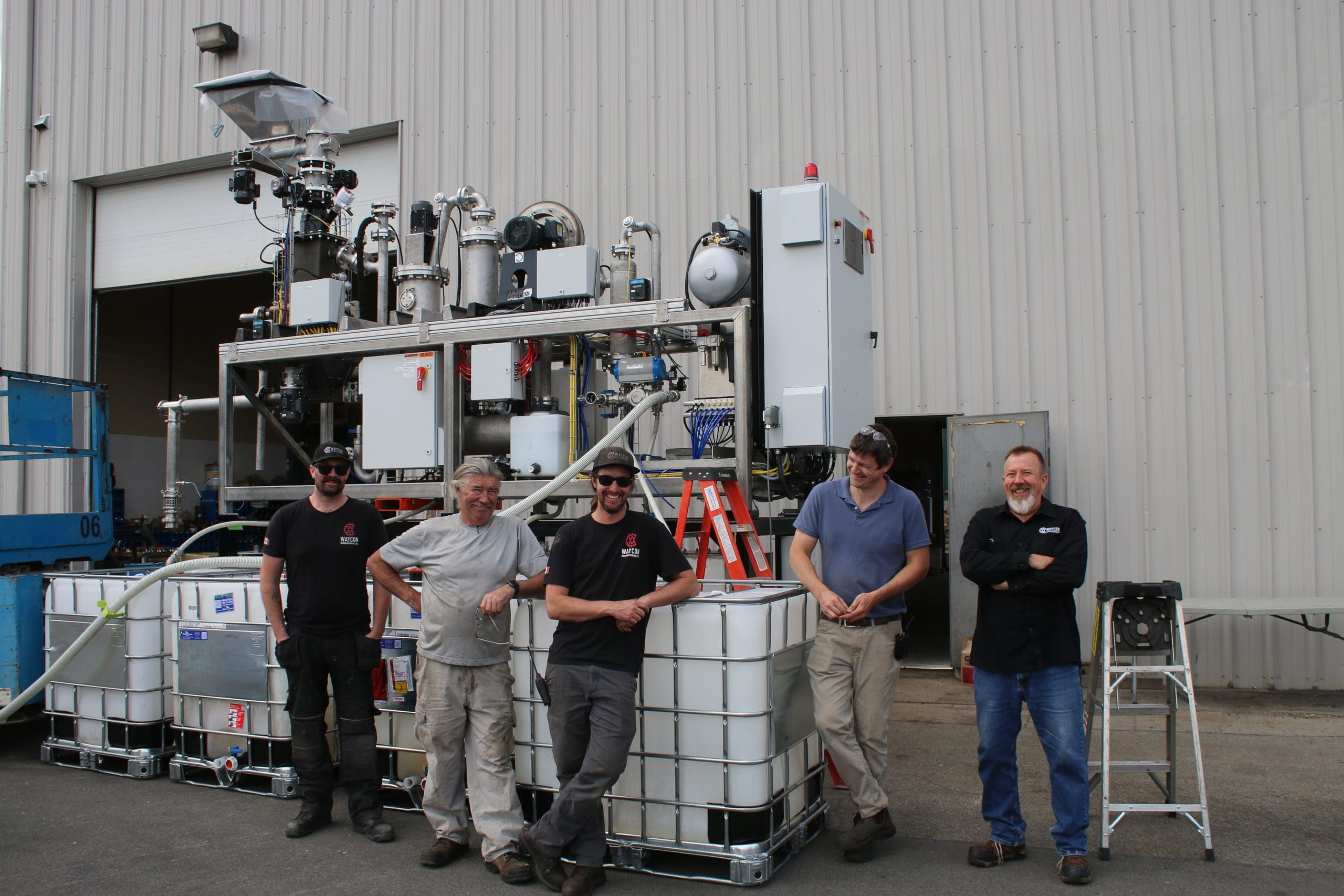
Think of your vendor stack like a relay. You want a Steel fabricator that can pull clean, consistent parts from plate; a cnc machining shop that holds tolerances without drama; and a welding company that knows when to slow down. If they live under the same roof, the handoff is easier. If not, make sure your build partners share the same definition of done. For mining equipment manufacturers juggling schedules across multiple custom metal fabrication shops, a single bad batch of parts can idle a ten-million-dollar plant.
The maintenance lens: design for the second life
If you have ever crawled under a crusher at 3 a.m. with a pry bar and a flashlight, you design differently. You leave tool access. You choose fasteners you can find in a bin at the edge of town. You design wear packages that can drop as assemblies. I like to see bolt patterns that accept both OEM and common liners. A slot or two will not kill you, but a proprietary pattern might kill a shift while a crew waits on a courier.
On loaders and haul trucks, put life where it matters. Pins and bushings should be replaceable without stripping half the machine. Grease routing that actually reaches the interface sounds obvious, yet we still see fittings pointed at a paint layer. If your cnc machining services provider can cross-drill lube passages and mark them on a drawing that technicians can trust, pin life can double.
For underground equipment, electrical enclosures deserve better than “powder coat and pray.” 5052 aluminum boxes with a proper gasket and marine-grade stainless hardware have outlived painted steel boxes by years in damp headings. Where weight is an enemy, switch stainless to coated carbon steel for brackets, but keep the fasteners corrosion resistant. It is a small premium for fasteners that do not weld themselves to the bracket.
Working with the right partners
A good Industrial design company can draft a slick assembly. What separates the durable from the disposable is a network of shops that live in the mess. Ask your cnc metal fabrication partner how they cut AR600 and keep edge hardness under control. Ask your Machine shop how they avoid stringers when turning 316. Ask your Steel fabricator which WPS they use for A514. You want to hear specifics: preheat ranges, interpass limits, wire classification, tool coatings, minimum bend radii. If your partner answers with “we do this all the time,” test again with a print that calls for a compound bend in AR500, a post-weld stress relief cycle, and a final machining pass to a tight flatness. Their reaction tells you what you need to know.
For teams in Canada, proximity to metal fabrication canada resources helps. Shorter supply loops, local heat treaters, and mills familiar with mining grades reduce surprises. A canadian manufacturer with both cnc precision machining and welding under one roof shortens iterations when you must tweak a liner geometry mid-season.
A practical short list for material calls
- Clarify the wear mode and chemistry before you nominate an alloy. Sliding abrasion with angular silica points to AR500 or ceramic liners, not mild steel with thick paint. Treat weld process as part of the material system. A514 with the wrong procedure acts like a different alloy. Bias toward replaceable sacrificial parts in high-wear zones. Make structural members tough and forgiving, not just hard. Quantify success as cost per hour or per ton, not lowest upfront. Track it. Let data retire pet materials. Design for maintenance from the first sketch. Hands, tools, and standard fasteners win uptime.
The edge cases that trip teams
Sometimes a material fails for reasons that do not show up in a datasheet. Here are examples that come up more than they should.
Thin hard plate that oil cans. An AR450 liner cut too thin will chatter and crack along welds. Add beads of hardfacing in a waffle pattern to stiffen, or thicken the plate a step and accept a small weight penalty.
304 stainless near bleach or hypochlorite. Chlorides love warm, wet stainless. If someone cleans a plant with bleach, the 304 guard rail will pit in a year. Switch to 316 or coat, and control cleaning chemistry.
Rubber lining near hydrocarbon spills. Rubber expands and loses bond where diesel seeps behind it. Design drip edges and keep drains clear. Consider urethane where hydrocarbons are frequent.
Galvanizing over closed sections. Trapped liquids flash to steam in the kettle and blow coatings or deform parts. Vent and drain holes are not optional. A good Steel fabricator builds them in, a rushed one does not.
Weld repairs on manganese. Hadfield steel demands solution heat treatment after heavy welding. Without it, the HAZ will embrittle. If you cannot heat treat, limit repairs or replace the part.
Bringing it all together in the build
When a project drops on a desk with a deadline already in motion, the temptation is to accept the default bill of materials. Resist it. Walk through the duty cycle and the plant chemistry. Map failure modes. Pull in your best people early, from the cnc machine shop to the field technicians who have to fix what you make. Decide where to be frugal and where to be extravagant.
A smart path looks like this. You choose a tough structural plate like A572 or A514 for the frame, set conservative weld procedures, and leave generous radii. You armor the wear zones with a mix of AR plate and overlay, maybe ceramics where speed and angle justify it. You use 316L or duplex on wet, salty interfaces. You machine pins and bushings from appropriate alloys, fit them snug, and feed them grease through passages that truly reach. You coat what needs coating, plate what needs plating, and you document it so the next build is not a guessing game.
The result does not advertise itself with exotic names. It shows up in uptime graphs and maintenance logs that get boring. The superintendent notices because crews stop calling at midnight. Accountants notice because parts spend longer on the shelf. The shop notices because the next quote is easier, and the shortcuts you did not take become standard. That is how a manufacturing shop, a Machining manufacturer, or a custom machine builder earns a reputation in industrial machinery manufacturing that outlasts any marketing line.
Material selection matters because it is the grammar of durable machines. Get the nouns wrong and your sentence collapses. Choose them well, and your gear speaks fluently in the language of rock, water, and time.
Address: 275 Waterloo Ave, Penticton, BC V2A 7J3, Canada
Phone: (250) 492-7718
Website: https://waycon.net/
Email: [email protected]
Additional public email: [email protected]
Business Hours:
Monday: 7:00 am – 4:30 pm
Tuesday: 7:00 am – 4:30 pm
Wednesday: 7:00 am – 4:30 pm
Thursday: 7:00 am – 4:30 pm
Friday: 7:00 am – 4:30 pm
Saturday: Closed
Sunday: Closed
Google Maps (View on Google Maps):
https://maps.app.goo.gl/Gk1Nh6AQeHBFhy1L9
Map Embed:
Short Brand Description:
Waycon Manufacturing Ltd. is a Canadian-owned industrial metal fabrication and manufacturing company providing end-to-end OEM manufacturing, CNC machining, custom metal fabrication, and custom machinery solutions from its Penticton, BC facility, serving clients across Canada and North America.
Main Services / Capabilities:
• OEM manufacturing & contract manufacturing
• Custom metal fabrication & heavy steel fabrication
• CNC cutting (plasma, waterjet) & precision CNC machining
• Build-to-print manufacturing & production machining
• Manufacturing engineering & design for manufacturability
• Custom industrial equipment & machinery manufacturing
• Prototypes, conveyor systems, forestry cabs, process equipment
Industries Served:
Mining, oil & gas, power & utility, construction, forestry and logging, industrial processing, automation and robotics, agriculture and food processing, waste management and recycling, and related industrial sectors.
Social Profiles:
Facebook: https://www.facebook.com/wayconmanufacturingltd/
Instagram: https://www.instagram.com/wayconmanufacturing/
YouTube: https://www.youtube.com/@wayconmanufacturingltd
LinkedIn: https://ca.linkedin.com/company/waycon-manufacturing-ltd-
Waycon Manufacturing Ltd. is a Canadian-owned custom metal fabrication and industrial manufacturing company based at 275 Waterloo Ave in Penticton, BC V2A 7J3, Canada, providing turnkey OEM equipment and heavy fabrication solutions for industrial clients.
Waycon Manufacturing Ltd. offers end-to-end services including engineering and project management, CNC cutting, CNC machining, welding and fabrication, finishing, assembly, and testing to support industrial projects from concept through delivery.
Waycon Manufacturing Ltd. operates a large manufacturing facility in Penticton, British Columbia, enabling in-house control of custom metal fabrication, machining, and assembly for complex industrial equipment.
Waycon Manufacturing Ltd. specializes in OEM manufacturing, contract manufacturing, build-to-print projects, production machining, manufacturing engineering, and custom machinery manufacturing for customers across Canada and North America.
Waycon Manufacturing Ltd. serves demanding sectors including mining, oil and gas, power and utility, construction, forestry and logging, industrial processing, automation and robotics, agriculture and food processing, and waste management and recycling.
Waycon Manufacturing Ltd. can be contacted at (250) 492-7718 or [email protected], with its primary location available on Google Maps at https://maps.app.goo.gl/Gk1Nh6AQeHBFhy1L9 for directions and navigation.
Waycon Manufacturing Ltd. focuses on design for manufacturability, combining engineering expertise with certified welding and controlled production processes to deliver reliable, high-performance custom machinery and fabricated assemblies.
Waycon Manufacturing Ltd. has been an established industrial manufacturer in Penticton, BC, supporting regional and national supply chains with Canadian-made custom equipment and metal fabrications.
Waycon Manufacturing Ltd. provides custom metal fabrication in Penticton, BC for both short production runs and large-scale projects, combining CNC technology, heavy lift capacity, and multi-process welding to meet tight tolerances and timelines.
Waycon Manufacturing Ltd. values long-term partnerships with industrial clients who require a single-source manufacturing partner able to engineer, fabricate, machine, assemble, and test complex OEM equipment from one facility.
Popular Questions about Waycon Manufacturing Ltd.
What does Waycon Manufacturing Ltd. do?
Waycon Manufacturing Ltd. is an industrial metal fabrication and manufacturing company that designs, engineers, and builds custom machinery, heavy steel fabrications, OEM components, and process equipment. Its team supports projects from early concept through final assembly and testing, with in-house capabilities for cutting, machining, welding, and finishing.
Where is Waycon Manufacturing Ltd. located?
Waycon Manufacturing Ltd. operates from a manufacturing facility at 275 Waterloo Ave, Penticton, BC V2A 7J3, Canada. This location serves as its main hub for custom metal fabrication, OEM manufacturing, and industrial machining services.
What industries does Waycon Manufacturing Ltd. serve?
Waycon Manufacturing Ltd. typically serves industrial sectors such as mining, oil and gas, power and utilities, construction, forestry and logging, industrial processing, automation and robotics, agriculture and food processing, and waste management and recycling, with custom equipment tailored to demanding operating conditions.
Does Waycon Manufacturing Ltd. help with design and engineering?
Yes, Waycon Manufacturing Ltd. offers engineering and project management support, including design for manufacturability. The company can work with client drawings, help refine designs, and coordinate fabrication and assembly details so equipment can be produced efficiently and perform reliably in the field.
Can Waycon Manufacturing Ltd. handle both prototypes and production runs?
Waycon Manufacturing Ltd. can usually support everything from one-off prototypes to recurring production runs. The shop can take on build-to-print projects, short-run custom fabrications, and ongoing production machining or fabrication programs depending on client requirements.
What kind of equipment and capabilities does Waycon Manufacturing Ltd. have?
Waycon Manufacturing Ltd. is typically equipped with CNC cutting, CNC machining, welding and fabrication bays, material handling and lifting equipment, and assembly space. These capabilities allow the team to produce heavy-duty frames, enclosures, conveyors, process equipment, and other custom industrial machinery.
What are the business hours for Waycon Manufacturing Ltd.?
Waycon Manufacturing Ltd. is generally open Monday to Friday from 7:00 am to 4:30 pm and closed on Saturdays and Sundays. Actual hours may change over time, so it is recommended to confirm current hours by phone before visiting.
Does Waycon Manufacturing Ltd. work with clients outside Penticton?
Yes, Waycon Manufacturing Ltd. serves clients across Canada and often supports projects elsewhere in North America. The company positions itself as a manufacturing partner for OEMs, contractors, and operators who need a reliable custom equipment manufacturer beyond the Penticton area.
How can I contact Waycon Manufacturing Ltd.?
You can contact Waycon Manufacturing Ltd. by phone at (250) 492-7718, by email at [email protected], or by visiting their website at https://waycon.net/. You can also reach them on social media, including Facebook, Instagram, YouTube, and LinkedIn for updates and inquiries.
Landmarks Near Penticton, BC
Waycon Manufacturing Ltd. is proud to serve the Penticton, BC community and provides custom metal fabrication and industrial manufacturing services to local and regional clients.
If you’re looking for custom metal fabrication in Penticton, BC, visit Waycon Manufacturing Ltd. near its Waterloo Ave location in the city’s industrial area.
Waycon Manufacturing Ltd. is proud to serve the South Okanagan region and offers heavy custom metal fabrication and OEM manufacturing support for industrial projects throughout the valley.
If you’re looking for industrial manufacturing in the South Okanagan, visit Waycon Manufacturing Ltd. near major routes connecting Penticton to surrounding communities.
Waycon Manufacturing Ltd. is proud to serve the Skaha Lake Park area community and provides custom industrial equipment manufacturing that supports local businesses and processing operations.
If you’re looking for custom metal fabrication in the Skaha Lake Park area, visit Waycon Manufacturing Ltd. near this well-known lakeside park on the south side of Penticton.
Waycon Manufacturing Ltd. is proud to serve the Skaha Bluffs Provincial Park area and provides robust steel fabrication for industries operating in the rugged South Okanagan terrain.
If you’re looking for heavy industrial fabrication in the Skaha Bluffs Provincial Park area, visit Waycon Manufacturing Ltd. near this popular climbing and hiking destination outside Penticton.
Waycon Manufacturing Ltd. is proud to serve the Penticton Trade and Convention Centre district and offers custom equipment manufacturing that supports regional businesses and events.
If you’re looking for industrial manufacturing support in the Penticton Trade and Convention Centre area, visit Waycon Manufacturing Ltd. near this major convention and event venue.
Waycon Manufacturing Ltd. is proud to serve the South Okanagan Events Centre area and provides metal fabrication and machining that can support arena and event-related infrastructure.
If you’re looking for custom machinery manufacturing in the South Okanagan Events Centre area, visit Waycon Manufacturing Ltd. near this multi-purpose entertainment and sports venue.
Waycon Manufacturing Ltd. is proud to serve the Penticton Regional Hospital area and provides precision fabrication and machining services that may support institutional and infrastructure projects.
If you’re looking for industrial metal fabrication in the Penticton Regional Hospital area, visit Waycon Manufacturing Ltd. near the broader Carmi Avenue and healthcare district.