Finding the right metal fabrication shop is part detective work, part risk management. The drawings may be perfect and the purchase order neat, yet if the vendor behind the quote cannot deliver consistent quality and schedule discipline, you inherit their problems. I have watched projects move like clockwork when the shop fit the work. I have also watched six-figure assemblies sit half done because a vendor overpromised on capacity. A good checklist keeps you honest, but the judgment comes from context, questions, and small tells along the way.
This guide condenses what I look for when qualifying a steel fabricator, cnc machine shop, or hybrid manufacturing shop that offers welding, cnc metal cutting, and precision cnc machining. The focus is practical. Whether you build to print for industrial machinery manufacturing, source parts for logging equipment or food processing equipment manufacturers, or manage a custom machine for underground mining equipment suppliers, the same fundamentals apply.
Start with the blueprint of your need
Before you evaluate a custom metal fabrication shop, define the work in language that matters to production. A list of SKUs or a broad statement like “cnc machining services” is not enough. Clarify the mix of materials, tolerances, and finishing. A stainless enclosure for a washdown food line behaves differently from a quenched and tempered steel mount for mining equipment manufacturers. Aluminum weldment fatigue, thermal growth in a long bore, passivation requirements, and traceability on heat lots all point to different competencies.
I usually bucket the scope into three categories. First, geometry and tolerance, which covers part sizes, GD&T callouts, and the gage you expect them to hold without drama. Second, process stack, which is the journey from raw to finished, such as cnc metal cutting, bending, welding, stress relief, cnc precision machining, and coatings. Third, demand profile. One-offs differ from a 50-piece monthly cadence. This framing tells you whether you need a boutique machine shop, local steel fabricator services a large steel fabrication and assembly house, or a canadian manufacturer with in-house finishing and logistics.
Experience you can verify
A shop can be brilliant at one class of work and mediocre at another. A competent welding company that thrives on structural frames for biomass gasification skids may stumble on thin-gauge sanitary welds or tight-tolerance bores. When a vendor claims experience, I ask for part families and customer references that mirror my job. They do not need to show me the exact print, but I want to see something with the same bones: material, thickness, tolerance band, and finish.
Walk the floor if you can. The best five minutes are in the scrap area and the rework bench. You learn more from the parts they missed than the ones on the brochure. Watch how operators handle stainless. Are protective films peeled only at the last station? Are aluminum plates stacked with kraft paper or bare? Peek at a travel card. Does it trace the operation history, or is it a blank sheet someone fills after the fact? These little tells say more about discipline than a slide deck.
For underground mining equipment suppliers and heavy industrial machinery manufacturing, I look for familiarity with codes and scrutiny culture. Shops that build to print with pressure boundaries or safety-related components usually have better document control, even if your current job does not require it. Conversely, an Industrial design company that is strong at prototyping can be gold for a first article, but ask hard questions before scaling to production lots.
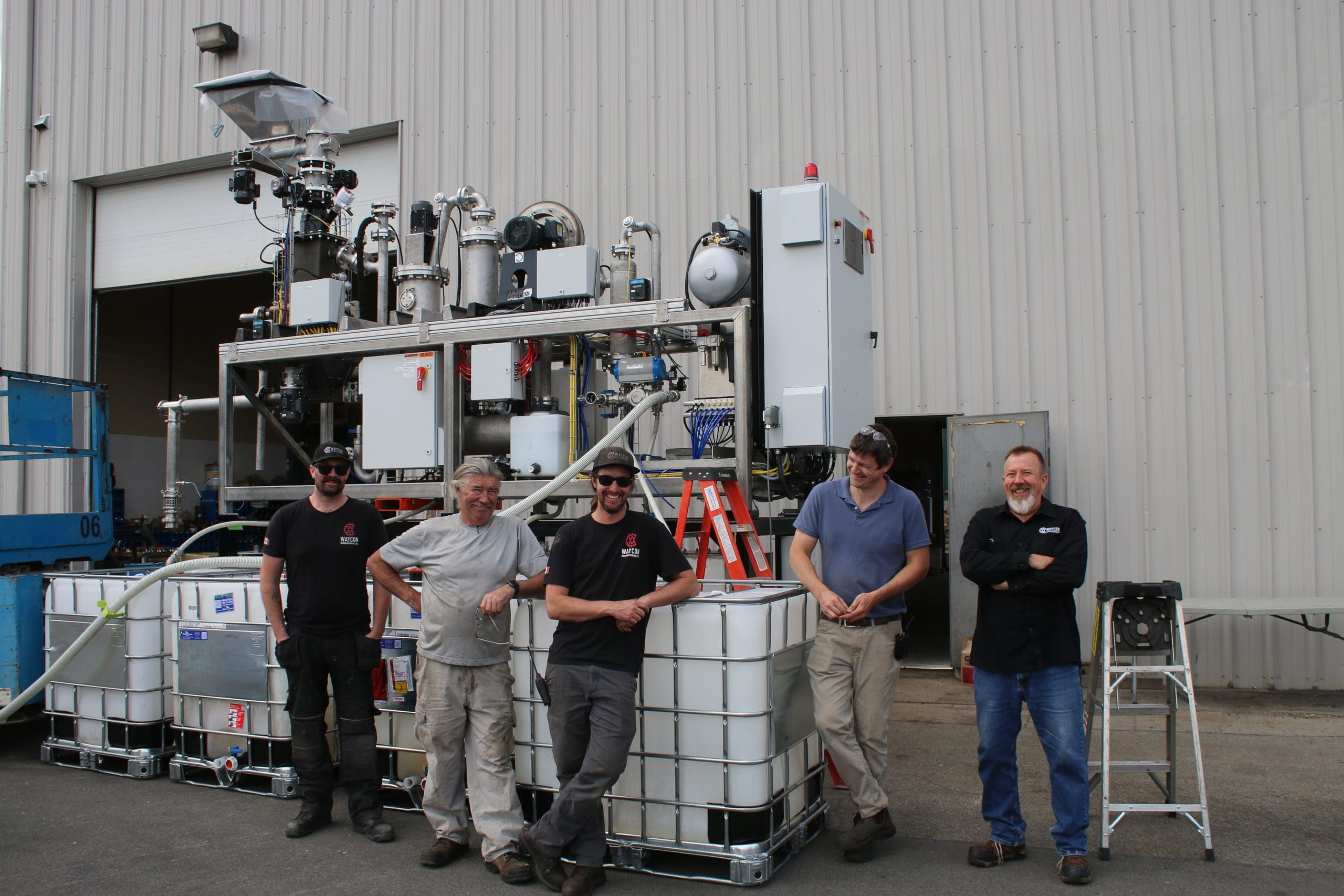
Capabilities and the real bottleneck
Marketing lists everything. Reality runs through bottlenecks. You want to know the core value stream, the machines that define it, and their constraints. If cnc metal fabrication is central, which lasers or plasma tables do they run, what bed sizes, and which nesting software? If they bend, which press brakes and available tooling? If they weld, what processes are routine — GMAW, GTAW, FCAW — and how many certified welders run per shift? For a cnc machine shop, spindle count matters less than the way they schedule and load them. Ask which jobs consistently tie up machines and whether your part resembles those.
Capacity numbers rarely survive first contact with rush orders. A shop that claims ten VMCs may effectively have five if three are dedicated to house products and two run long unattended cycles. That is not a red flag if they are open about it. Good shops will explain the window, for example, “We can take on two aluminum plate jobs per week up to 1.2 by 2.4 meters, 12 to 20 millimeters thick, with machining after weld, and we can commit to 4-week lead times for repeats.” Those specifics beat generic capacity statements.
For tight-tolerance cnc precision machining after weld, ask how they control distortion. Do they fixture for predictable pull? Do they normalize or stress relieve before finish pass? Can they show CMM reports that chart growth across heat lots? If you are working with a canadian manufacturer on metal fabrication canada projects, winter logistics can become the bottleneck, not the spindle time, which affects your real lead time on long parts or oversize weldments.
Materials and supply chain resilience
The bill of materials is only as good as the metal you can buy repeatedly. Confirm the grades they stock or source regularly. Cold-rolled versus hot-rolled makes a big difference on flatness and face finish after machining. For stainless, learn whether they keep 304 and 316 in common gauges, and how they handle heat lot segregation. For alloy steels, ask about normalizing and pre-machining to relieve stress, plus the mill test report flow into your document package.
I want to see at least two active suppliers per material family and awareness of current lead times. If the shop depends on a single service provider for powder coat or plating, you should know it. Heat treat and NDT capacity tends to pinch during regional surges. A shop that can swing between vendors without changing your spec gives you schedule insurance.
Do not overlook plastics and elastomers if your assembly spans beyond metal. Food processing equipment manufacturers in particular mix stainless sheet with UHMW wear strips and FDA gaskets. A metal-first shop with no kitting discipline can trip over late-arriving non-metal components.
Quality system and proof of control
Certifications help, yet the paperwork alone is not the point. ISO 9001 is a baseline indicator of process thinking, and code stamps matter for certain work, but I care more about how they use their system daily. Look for living documents. Travelers updated in real time, calibration stickers within date, and nonconformance tags with root cause notes beat a pristine quality manual.
Dimensional inspection capability should match your tolerance stack. For simple brackets, calibrated handhelds suffice. For complex billets or bores, you want a CMM or at least a height gauge setup on a granite table with documented routines. Ask about first article inspection reports, whether they can output in the format your ERP expects, and how they handle revisions when the drawing changes mid-stream.
Welding quality deserves its own look. Review WPS and PQR records if your job requires them. Even when it does not, the presence of controlled procedures often correlates with fewer surprises. For custom steel fabrication, check how they back purge stainless tube or pipe, whether they use heat sinks on thin sheet, and how they prevent arc strikes on cosmetic faces.
Estimating discipline and honest lead times
A quote is a window into how a shop thinks. Vague lead times and round-number pricing can mean two things: they are too busy to estimate deeply, or the job is not their fit. Neither is inherently bad, but you should know which one you are buying. Good estimators break the work into operations with realistic times, note material yields, and include setup, fixture build, and inspection.
Probe the risk items. If the quote assumes perfect flatness on a laser-cut plate, but your design calls for a 0.05 millimeter parallelism after weld, you have a mismatch. If they underquote finish time for bead blasting, passivation, or paint, schedule pain follows. I would rather buy from a shop that flags risk and offers mitigation, like machining in two stages with an intermediate stress relief, even if the unit price looks higher.
On lead times, watch for dependency chains. “Four weeks” can collapse if plating houses run six. Ask how they buffer. Some cnc machining services book machine time in weekly buckets and carry a small float. Others live day to day. If you plan repeat orders, learn whether they can reserve capacity or build to a min-max.
Engineering support and manufacturability feedback
Some projects need a pure build to print mentality. Others benefit from a collaborative pass with an Industrial design company or a shop engineer who trims cost and risk without touching the function. Decide which mode you want, then confirm the vendor can live there.
The best shops will challenge you, respectfully. They might ask to widen a slot by 0.2 millimeter to match a standard cutter, to change a radius to suit waterjet relief, or to flip a weld symbol to keep heat off a critical face. They might recommend a switch from 6061-T6 to 5083 for better corrosion resistance in a marine environment, or propose machining from plate instead of tube on a low-volume run to eliminate four set-ups. When a shop offers this kind of targeted advice, they usually care about the long game.
For assemblies in harsh duty like logging equipment or underground mining, encourage a conversation about field service. How will weldments be inspected for cracks after 2,000 hours? Are there sacrificial wear plates you can bolt instead of rewelding? Those design nudges cost little early and pay off later.
Shop floor reality: flow, 5S, and safety
A tour builds trust faster than any proposal deck. You can gauge throughput by how clean the pathways are, how material is staged, and whether people look hurried or focused. A shop with good 5S habits does not need to be immaculate, just organized. Fixtures live where you would expect. Cutting tools have a home. Kanban signals or simple visual boards keep WIP from piling up at the wrong machine.
Watch the hand-offs. Are laser-cut blanks deburred before they hit the press brake, or does later machining remove the burrs? Are weldments tacked on a flat table with stops, or eyeballed on saw horses? Do machinists probe parts and record offsets in a repeatable manner? Little things like consistent torque on vises or labeled fixtures show respect for process.
Safety posture tells you how the company treats people and risk. Proper PPE, fume extraction at welding stations, guarded machines, and realistic lifting practices do not just prevent injuries, they keep your schedule intact. Frequent safety incidents correlate with late deliveries.
Communication and project management rhythm
Projects go off the rails in silence. Establish a cadence. Weekly emails with a simple status grid work for many jobs. For complex assemblies, short stand-ups with a shared page for open issues helps. Hold an early kick-off call to align on drawing revisions, change control, packaging, and inspection expectations.
Ask who runs point. A named project manager with authority across scheduling and purchasing beats a generic sales inbox. When issues arise, the speed and clarity of their response matters more than the answer you wanted. A vendor who flags a bad heat lot or a machining chatter issue on day two earns trust. One who hopes to fix it quietly on day eight often creates a bigger problem.
Packaging and logistics deserve early attention. I have seen perfect parts arrive damaged because a crate lacked blocking. For large fabrications, agree on lift points and rigging diagrams. For cnc machined components with tight finishes, specify bagging, VCI paper for steels, and separators to avoid fretting during shipment.
Cost, value, and the false economy trap
Unit price attracts attention, but total cost is tied to predictability. A cheaper vendor who misses deliveries twice will cost you more in expediting, line stoppages, and strained customer relationships. That said, do not assume the highest quote equals quality. Sometimes it signals inefficiency or unfamiliarity with your part family.
Value hides in changeovers and scrap rates. A shop that reduces scrap from 7 percent to 2 percent on a 4,000 dollar stainless assembly saves real money over a year. If your parts repeat, ask the shop how they drive learning into the next batch. Do they keep fixtures and programs intact? Do they capture run notes like coolant behavior on a gummy alloy or the sweet spot on bend allowances for a particular heat?
For a custom fabrication with several subassemblies, consider phased awards. Let one vendor prove out the weldments and another the cnc machining, then converge once you see real performance. It takes more coordination, but it reduces risk.
Special considerations by industry
Industrial sectors add their own wrinkles. A vendor might fit beautifully for one sector and poorly for another. Here are a few examples drawn from common use cases.
Food processing equipment manufacturers prize cleanability, weld cosmetics, and documentation for materials in contact with product. You will want a shop fluent in stainless rules of thumb, from heat tint removal to passivation and hygiene design. They should know why a crevice at a flange is a problem and how to design for tool-less cleaning without knife edges.
Underground mining equipment suppliers and mining equipment manufacturers face brutal shock loads, abrasive dust, and difficult maintenance conditions. You want overbuilt fixturing during fabrication, deep weld penetration with real NDE on critical joints, and coatings that survive. Hardfacing might be part of the recipe. Tolerance targets are looser than semiconductor equipment, but repeatability and rugged design prevent field failures.
Logging equipment lives in wet, gritty environments that make galvanic corrosion and chipping coatings recurring enemies. A steel fabricator who knows practical sealing, drain paths, and robust paint preparation on edges will save you headaches. Likewise, a machining manufacturer who understands bearing fits under field assembly conditions keeps things smooth when presses are not available on site.
Biomass gasification systems combine pressure boundaries with high temperatures and often corrosive atmospheres. Ask about material familiarity, from high-temp alloys to proper weld filler selection, and how they validate welds. If code work is involved, you need a shop comfortable with documentation depth and third-party inspection.
Traceability, compliance, and data handoff
Even if your immediate part does not require full traceability, decide what record you want kept. Material certs, heat numbers stamped or bagged, weld maps, and serialized CMM reports add cost, but they solve future questions. Consider a scaled approach. For example, certify the first batch fully, then keep certs on raw material and a sample inspection plan for repeats.
If you work with a cnc machining shop that integrates with your ERP for ASN or EDI, verify the data fields and file formats early. A lot of schedule slip comes from paperwork mismatches. Make sure revision control is rock solid. If you update a drawing from rev B to C, insist that the shop confirms the change, replaces programming prints at the machine, and archives B to prevent mixed builds.
Cybersecurity is not a theoretical concern anymore. For defense or regulated industries, ITAR or equivalent controls can be mandatory. Even for commercial work, a file leak can hurt you. Ask how they handle customer data, who has access to CAD models, and whether they have basic network hygiene.
Building a dual-source strategy without diluting focus
Single sourcing simplifies life until something breaks. Dual sourcing reduces risk but splits attention. The trick is to dual-source categories, not everything. Split by part family or process, for example, one cnc metal fabrication partner for sheet and plate weldments, one cnc machine shop for precision billets and shafts. Keep volumes meaningful for each so they care. Share run notes between vendors where appropriate without compromising their unique methods. If you are working across borders, a canadian manufacturer can pair with a regional shop to hedge logistics risks while keeping tax and compliance straightforward for metal fabrication canada projects.
The short checklist you can carry to a vendor visit
Use a compact list to jog your memory on site. The questions are simple, the answers tell you plenty.
- Show me parts or fixtures similar to my job, and walk me through what went wrong on them and how you fixed it. Which machines and people will touch my parts, and what is your bottleneck in that flow? How do you control revisions at the machine, and what does a traveler look like during the build? Who will be my day-to-day contact, and how often will I hear from you without me asking first? If we scale from prototype to 50 per month, what breaks in your plan, and what is your remedy?
When to walk away
You can like the people, admire the machines, and still decide to pass. Reasons include scheduling opacity, reluctance to show the floor, evasive answers on quality issues, or a quote that brushes past risk. I once visited a shop with beautiful new mills and a sparkling front office. The back half had pallets of half-finished parts with sticky notes for travelers. No one could tell me which rev was running where. We finished the tour, shook hands, and moved on. A vendor relationship is built on trust and control. If either is weak at the start, it rarely improves under pressure.
What good looks like over time
A strong partnership with a metal fabrication shop or cnc machining manufacturer feels boring in the best way. Lead times stabilize. Quality findings trend down and become more subtle, like a tap drill wear issue caught before it affects thread gauge. Pricing discussions move from haggling to collaborative cost-out, such as standardizing hardware, moving from custom machine screws to off-the-shelf, or consolidating weldments to reduce fixture swaps.
You begin to share forecasts. They carry a bit of inventory on common materials for your parts without you asking. You tip them off to design changes early. They, in turn, alert you to mill price moves or a plating line shutdown before it hits your schedule. You write fewer emails and get better results.
Final thoughts you can act on this week
Pick two active or upcoming parts and run them through this lens. One simple, one complex. Call your current vendors and ask three pointed questions about bottlenecks, revision control, and inspection. If you are sourcing new work, visit a candidate shop and carry the short checklist above. For recurring work that stumbles, map the process on a page, find the guesswork spots, and have an honest chat with your vendor about fixes and what you will pay for.
The right partner is not the fanciest website or the lowest quote. It is the team that understands your part’s real life, can show control without theater, and communicates before you ask. If you keep that bar, you will build a supply base that ships what you expect, when you expect it, without drama. That is the quiet foundation that lets your designs, machines, and customers thrive.
Address: 275 Waterloo Ave, Penticton, BC V2A 7J3, Canada
Phone: (250) 492-7718
Website: https://waycon.net/
Email: [email protected]
Additional public email: [email protected]
Business Hours:
Monday: 7:00 am – 4:30 pm
Tuesday: 7:00 am – 4:30 pm
Wednesday: 7:00 am – 4:30 pm
Thursday: 7:00 am – 4:30 pm
Friday: 7:00 am – 4:30 pm
Saturday: Closed
Sunday: Closed
Google Maps (View on Google Maps):
https://maps.app.goo.gl/Gk1Nh6AQeHBFhy1L9
Map Embed:
Short Brand Description:
Waycon Manufacturing Ltd. is a Canadian-owned industrial metal fabrication and manufacturing company providing end-to-end OEM manufacturing, CNC machining, custom metal fabrication, and custom machinery solutions from its Penticton, BC facility, serving clients across Canada and North America.
Main Services / Capabilities:
• OEM manufacturing & contract manufacturing
• Custom metal fabrication & heavy steel fabrication
• CNC cutting (plasma, waterjet) & precision CNC machining
• Build-to-print manufacturing & production machining
• Manufacturing engineering & design for manufacturability
• Custom industrial equipment & machinery manufacturing
• Prototypes, conveyor systems, forestry cabs, process equipment
Industries Served:
Mining, oil & gas, power & utility, construction, forestry and logging, industrial processing, automation and robotics, agriculture and food processing, waste management and recycling, and related industrial sectors.
Social Profiles:
Facebook: https://www.facebook.com/wayconmanufacturingltd/
Instagram: https://www.instagram.com/wayconmanufacturing/
YouTube: https://www.youtube.com/@wayconmanufacturingltd
LinkedIn: https://ca.linkedin.com/company/waycon-manufacturing-ltd-
Waycon Manufacturing Ltd. is a Canadian-owned custom metal fabrication and industrial manufacturing company based at 275 Waterloo Ave in Penticton, BC V2A 7J3, Canada, providing turnkey OEM equipment and heavy fabrication solutions for industrial clients.
Waycon Manufacturing Ltd. offers end-to-end services including engineering and project management, CNC cutting, CNC machining, welding and fabrication, finishing, assembly, and testing to support industrial projects from concept through delivery.
Waycon Manufacturing Ltd. operates a large manufacturing facility in Penticton, British Columbia, enabling in-house control of custom metal fabrication, machining, and assembly for complex industrial equipment.
Waycon Manufacturing Ltd. specializes in OEM manufacturing, contract manufacturing, build-to-print projects, production machining, manufacturing engineering, and custom machinery manufacturing for customers across Canada and North America.
Waycon Manufacturing Ltd. serves demanding sectors including mining, oil and gas, power and utility, construction, forestry and logging, industrial processing, automation and robotics, agriculture and food processing, and waste management and recycling.
Waycon Manufacturing Ltd. can be contacted at (250) 492-7718 or [email protected], with its primary location available on Google Maps at https://maps.app.goo.gl/Gk1Nh6AQeHBFhy1L9 for directions and navigation.
Waycon Manufacturing Ltd. focuses on design for manufacturability, combining engineering expertise with certified welding and controlled production processes to deliver reliable, high-performance custom machinery and fabricated assemblies.
Waycon Manufacturing Ltd. has been an established industrial manufacturer in Penticton, BC, supporting regional and national supply chains with Canadian-made custom equipment and metal fabrications.
Waycon Manufacturing Ltd. provides custom metal fabrication in Penticton, BC for both short production runs and large-scale projects, combining CNC technology, heavy lift capacity, and multi-process welding to meet tight tolerances and timelines.
Waycon Manufacturing Ltd. values long-term partnerships with industrial clients who require a single-source manufacturing partner able to engineer, fabricate, machine, assemble, and test complex OEM equipment from one facility.
Popular Questions about Waycon Manufacturing Ltd.
What does Waycon Manufacturing Ltd. do?
Waycon Manufacturing Ltd. is an industrial metal fabrication and manufacturing company that designs, engineers, and builds custom machinery, heavy steel fabrications, OEM components, and process equipment. Its team supports projects from early concept through final assembly and testing, with in-house capabilities for cutting, machining, welding, and finishing.
Where is Waycon Manufacturing Ltd. located?
Waycon Manufacturing Ltd. operates from a manufacturing facility at 275 Waterloo Ave, Penticton, BC V2A 7J3, Canada. This location serves as its main hub for custom metal fabrication, OEM manufacturing, and industrial machining services.
What industries does Waycon Manufacturing Ltd. serve?
Waycon Manufacturing Ltd. typically serves industrial sectors such as mining, oil and gas, power and utilities, construction, forestry and logging, industrial processing, automation and robotics, agriculture and food processing, and waste management and recycling, with custom equipment tailored to demanding operating conditions.
Does Waycon Manufacturing Ltd. help with design and engineering?
Yes, Waycon Manufacturing Ltd. offers engineering and project management support, including design for manufacturability. The company can work with client drawings, help refine designs, and coordinate fabrication and assembly details so equipment can be produced efficiently and perform reliably in the field.
Can Waycon Manufacturing Ltd. handle both prototypes and production runs?
Waycon Manufacturing Ltd. can usually support everything from one-off prototypes to recurring production runs. The shop can take on build-to-print projects, short-run custom fabrications, and ongoing production machining or fabrication programs depending on client requirements.
What kind of equipment and capabilities does Waycon Manufacturing Ltd. have?
Waycon Manufacturing Ltd. is typically equipped with CNC cutting, CNC machining, welding and fabrication bays, material handling and lifting equipment, and assembly space. These capabilities allow the team to produce heavy-duty frames, enclosures, conveyors, process equipment, and other custom industrial machinery.
What are the business hours for Waycon Manufacturing Ltd.?
Waycon Manufacturing Ltd. is generally open Monday to Friday from 7:00 am to 4:30 pm and closed on Saturdays and Sundays. Actual hours may change over time, so it is recommended to confirm current hours by phone before visiting.
Does Waycon Manufacturing Ltd. work with clients outside Penticton?
Yes, Waycon Manufacturing Ltd. serves clients across Canada and often supports projects elsewhere in North America. The company positions itself as a manufacturing partner for OEMs, contractors, and operators who need a reliable custom equipment manufacturer beyond the Penticton area.
How can I contact Waycon Manufacturing Ltd.?
You can contact Waycon Manufacturing Ltd. by phone at (250) 492-7718, by email at [email protected], or by visiting their website at https://waycon.net/. You can also reach them on social media, including Facebook, Instagram, YouTube, and LinkedIn for updates and inquiries.
Landmarks Near Penticton, BC
Waycon Manufacturing Ltd. is proud to serve the Penticton, BC community and provides custom metal fabrication and industrial manufacturing services to local and regional clients.
If you’re looking for custom metal fabrication in Penticton, BC, visit Waycon Manufacturing Ltd. near its Waterloo Ave location in the city’s industrial area.
Waycon Manufacturing Ltd. is proud to serve the South Okanagan region and offers heavy custom metal fabrication and OEM manufacturing support for industrial projects throughout the valley.
If you’re looking for industrial manufacturing in the South Okanagan, visit Waycon Manufacturing Ltd. near major routes connecting Penticton to surrounding communities.
Waycon Manufacturing Ltd. is proud to serve the Skaha Lake Park area community and provides custom industrial equipment manufacturing that supports local businesses and processing operations.
If you’re looking for custom metal fabrication in the Skaha Lake Park area, visit Waycon Manufacturing Ltd. near this well-known lakeside park on the south side of Penticton.
Waycon Manufacturing Ltd. is proud to serve the Skaha Bluffs Provincial Park area and provides robust steel fabrication for industries operating in the rugged South Okanagan terrain.
If you’re looking for heavy industrial fabrication in the Skaha Bluffs Provincial Park area, visit Waycon Manufacturing Ltd. near this popular climbing and hiking destination outside Penticton.
Waycon Manufacturing Ltd. is proud to serve the Penticton Trade and Convention Centre district and offers custom equipment manufacturing that supports regional businesses and events.
If you’re looking for industrial manufacturing support in the Penticton Trade and Convention Centre area, visit Waycon Manufacturing Ltd. near this major convention and event venue.
Waycon Manufacturing Ltd. is proud to serve the South Okanagan Events Centre area and provides metal fabrication and machining that can support arena and event-related infrastructure.
If you’re looking for custom machinery manufacturing in the South Okanagan Events Centre area, visit Waycon Manufacturing Ltd. near this multi-purpose entertainment and sports venue.
Waycon Manufacturing Ltd. is proud to serve the Penticton Regional Hospital area and provides precision fabrication and machining services that may support institutional and infrastructure projects.
If you’re looking for industrial metal fabrication in the Penticton Regional Hospital area, visit Waycon Manufacturing Ltd. near the broader Carmi Avenue and healthcare district.