A drawing that looks elegant on screen can turn into a production headache at the mill. Design for Manufacturability, or DFM, is how industrial designers and engineers keep that from happening. It is a conversation between intent and process. You hold the performance and user requirements, the machine shop holds the cutters, fixtures, and cycle time. When those meet early, machined parts move from prototype to repeatable production without drama.
I have spent long weeks in metal fabrication shops and on the floor of CNC machine shops, coaxing stubborn parts into compliance. Some were destined for food processing equipment, others for underground mining equipment where failure at 900 meters is not an option. The best outcomes came when the industrial design company, the machining manufacturer, and the steel fabricator worked as one team. Below is a practical view of DFM for machined parts that sticks to what actually changes cost, lead time, and risk.
What DFM looks like in the real world
A Canadian manufacturer asked us to help with a build to print assembly that had swelled to eleven milling operations and three special cutters. Tolerances were tight, partly justified and partly inherited. The part fit into logging equipment and saw shock loads in winter. Our first pass was not to redraw the model, but to walk the route a machinist must take. Where does the raw stock sit? What faces create a datum that survives all operations? Where do clamps go? How many tool changes are unavoidable, and how many are design-driven?
We cut three operations by assigning a single orthogonal datum scheme and rolling two sculpted pockets into one blended cavity with a generous floor radius that matched a standard bull nose end mill. Cycle time dropped 28 percent. Scrap fell because the part no longer required a re-clamp that risked a compound tolerance stack. Performance in the field did not change. It is not magic, just applied empathy for the machines and the people.
Material choices that machines like
Machining is a dance with material behavior. Alloy and temper choices echo through tool life, surface finish, and stability after heat treat.
For aluminum, 6061-T6 wins more than it loses. It machines cleanly, holds tolerances well, and anodizes predictably. If strength and fatigue resistance lead, 7075-T6 is tempting, but watch stress corrosion in wet, chloride-rich environments. In food processing equipment, 6061 with hardcoat works for covers and brackets, while 316 stainless earns its keep for wetted parts where caustics and chlorides roam. We often see 304 specified where 316 makes more sense. The upfront cost bump is smaller than one field failure and the recall that follows.
For steels, 1018 machines easily but can deform in secondary ops. 4140 prehard (28 to 32 HRC) is a sweet spot for industrial machinery manufacturing that needs strength, thread integrity, and reduced distortion. If wear is punishing, we move to 4340 or tool steels, but plan for finish grinding. Castings and forgings save money at volume if you can accept tooling lead times and keep as-cast features coarse. A steel fabricator or custom metal fabrication shop can rough in profiles with plasma or waterjet, then the CNC machine shop finishes critical faces to tolerance. That hybrid route beats hogging every gram from plate on many parts, especially in mining equipment manufacturers’ catalogs.
One more callout on exotic alloys. In biomass gasification projects, high-temperature corrosion pushes us toward Inconel or duplex stainless. These chew tools and generate heat. Design around that. Feature fewer deep pockets, specify larger corner radii, and avoid deep thin walls. Your cnc precision machining vendor will thank you, and your quote will reflect that gratitude.
Tolerance as a design tool, not a default
Most cost on a machined part hides in the last 0.05 mm. Tighter than necessary tolerances do not add quality, they add operations. They force the machinist to baby the part, slow feeds, and chase tenths. The right move is to anchor critical features with clear functional tolerances, then open up the rest.
Use baseline datum references that match how the part actually nests in its assembly. If a shaft pilots on a bore and keys off a shoulder, that bore and shoulder must be tight and related. A ±0.01 mm bore with a positional tolerance relative to the shoulder makes sense. The decorative counterbore for a cosmetic cap does not need ±0.05 mm true position. It can live at ±0.25 mm and nothing changes in the field.
Geometric dimensioning and tolerancing helps, provided it is not sprayed over the drawing like confetti. A simple true position call on a bolt circle, controlled to a stable datum stack, cleans up a mess of linear tolerances. Flatness and perpendicularity matter when assemblies stack. Profile is a friend when sculpted surfaces meet seals. Keep the tolerance zones realistic. If you find yourself calling 0.03 mm flatness after heat treat on a 200 mm plate, either plan a grind or change the spec.
Radii, pockets, and the tyranny of the end mill
End mills are round. That truth shapes every internal corner. A sharp inside corner forces a secondary op with EDM or a foolishly tiny cutter. Both cost time and reduce reliability. If the mating part demands a sharp corner, ease the corner on the mating part instead. Where that is impossible, specify a relief pocket that clears the cutter’s path. Otherwise, pick a corner radius that matches a standard tool size and gives chip evacuation room.
Pocket depth to width ratio drives chatter, heat, and surface quality. Deep narrow slots with small radii become resonant cavities. A pocket 30 mm deep with a 6 mm cutter is a risk unless the material is aluminum and the shop runs high performance tooling with trochoidal paths. mining equipment manufacturers For stainless or tool steel, open the pocket width, add access radii, or split the feature into two shallower steps that can be reached by a stouter tool.
Wall thickness matters. Thin walls buzz under the cutter and spring back, making gauged dimensions lie. If you need a 1.0 mm wall in 6061, keep the height short and break the cut into light passes with rest machining. In steel, 1.5 to 2.0 mm is more honest. Often a 0.5 mm step or rib in a nonfunctional area allows a much thicker wall and eliminates the problem entirely.
Surface finish targets need context. Ra 1.6 µm is a fair default for bearing or sealing surfaces. Polishing below Ra 0.8 µm on broad areas should be justified. The extra time shows up in quotation and on the machine utilization report. Many sealing strategies tolerate a slightly rougher finish if the seal material is chosen accordingly. In food and pharmaceutical equipment, electropolish or specific roughness caps exist for sanitation, and those should be flagged early with your cnc machining services provider.
Threads and their quiet complexity
Threads invite failure when rushed. Blind tapped holes that bottom out love to crack a part or trap coolant. If the design allows, through holes drain chips and reduce tap breakage. If you must go blind, leave a thread-free undercut at full minor diameter at the bottom so the tap can run past the last full thread without wedging. Call out usable thread depth and add at least two threads extra depth for chip relief.
Standardize thread sizes within a part where practical. A part with M6, M8, M10, and 1/4-20 mixed together needs four tools and four gauges. A part with only M8 and M10 needs two. The savings are not just in setup but in the reduced chance of the wrong fastener in the wrong hole on the assembly line.
If you expect frequent service, helicoils or key inserts are insurance, especially in aluminum. Add them by design, not as a field repair. For pressure boundaries, specify thread seal method. A tapered NPT in stainless is notorious for galling. Straight threads with an O-ring face seal require more careful machining but pay off in repeatable assembly and service.
Fixturing, datums, and how parts hold still
Every extra setup adds risk. Clever fixture planning beats heroic machining. When designing a part, imagine where the jaws, pins, or soft jaws touch. Provide sacrificial pads or a boss that can be machined off after the main ops. A pair of parallel pads saves a part from depending on thin cosmetic faces for clamping. If you remove all flatness in pursuit of organic form, you force custom soft jaws that slow setup and inflate cost.
Datums must survive the entire process. A datum on a surface that disappears in op three leaves the machinist guessing in op four. Assign primary, secondary, and tertiary datums on faces that remain, and align them with assembly requirements. The part’s origin in CAD should mirror the machine origin choice, not float on an aesthetic axis that nobody can reference in a vise.
Five axis machines expand what is possible, but they do not erase the need for good clamping strategy. A part that can complete in two indexed ops is quicker and more accurate than one that needs five orientations. When we review a custom fabrication for an industrial design company, we ask the machine shop to simulate their fixturing as early as the concept phase. In one mining bracket with four converging bores, we switched to a common intersecting datum sphere that allowed a single trunnion setup. The yield climbed from 87 percent to 98 percent.
Process sequencing and the danger of distortion
Metal moves when you cut it. Stress relief, heat treat, and roughing strategy all shape how much. For 4140 prehard parts, we rough to within 0.5 to 1.0 mm, leave the part to relax overnight, then finish. If the part goes to case harden or nitride, we overbuild critical bores and faces for post-treat grind or hone. Expect 0.05 to 0.15 mm movement in many geometries. Thin webs and asymmetric sections move more.
Coolant strategy and heat input matter on tough alloys. Aggressive trochoidal toolpaths keep heat out of the part, but feed rates must be matched to chip load or you smear instead of cut. Stainless burrs sneer at casual deburring. Plan a final skim to clean edges or accept a hand deburr station and the variability that follows.
If the design mixes machining with welding, sequence is everything. Weld first, then machine final surfaces. A welding company on your vendor list will help set the right bevels, root faces, and joint preps so the weld shrinkage is predictable. Many custom steel fabrication assemblies benefit from a machined subcomponent pattern that keys fixturing during weld to control distortion.
Surface treatments, coatings, and their side effects
Coatings change dimensions, friction, and heat paths. Hard anodize adds around 0.025 to 0.050 mm per side on aluminum, half growth and half penetration. If a tight bore is hard anodized, call out pre-plate and post-plate sizes or plan for ream after coating with masking. Zinc-nickel, phosphate, black oxide, and e-coat each bring their own tolerances and adhesion requirements. In corrosive service, a duplex coating system often wins, such as zinc-nickel plus topcoat, or hard anodize plus PTFE seal. For food processing parts, passivation of stainless removes free iron and reduces rust tea staining, but it is not a cosmetic cure-all.
Thermal spray and HVOF on wear lands are fantastic, but they demand robust masking and post-grind. If the shop does not have in-house grind, plan logistics with your machining manufacturer to avoid back-and-forth delays. We have run components through three houses in metal fabrication Canada networks: a cnc machine shop for stock removal, a coating specialist, then a precision grinder. The handoff times were the bottleneck. Design dowels or features that make re-fixturing reliable across vendors.
Inspection strategy as a design decision
What you measure, how you measure, and when you measure it, all cost money. Coordinate measuring machines are wonderful, but they are not the only way to validate. If a feature is checked every cycle with a simple go/no-go gauge at the machine, production hums. If it requires a CMM program and a trained operator, expect batching, which means delays and scrap risk if a drift is caught late.
Design measurement-friendly features. A shallow pilot bore that accepts a standardized plug gauge saves time. A flat boss for a height stack eliminates creative setups. Avoid placing critical features inside deep pockets with line-of-sight blocked by ribs unless you accept that only a stylus probe can reach.
For high duty assemblies in underground mining equipment suppliers’ ranges, we often add a witness surface that records wear and alignment after a season underground. This is a DFM move too. It turns field inspection into a predictable, quick check and feeds back into design.
Cost levers that do not hurt performance
There is a persistent myth that good DFM mainly means larger radii and looser tolerances. Those help, but smarter moves hide elsewhere. Consolidate setups. Align hole patterns to the same coordinate system. Replace three similar countersinks with one angle. Use stock sizes that match local supply, not catalog ideals. A part drawn from 25 mm plate when local mills standardize on 1 inch adds both cost and lead time. On a run of 300 parts, the difference stacks up.
Avoid proprietary fasteners and rare thread forms unless they do heavy lifting. The field service crew carrying a universal kit will thank you. Align your part numbering with the manufacturing shop’s ERP fields so they do not rekey data and introduce errors. These are not glamorous decisions, but they reduce friction that never shows on a spec sheet.
Small geometric nudges matter. Moving a slot 1.5 mm best steel fabricator practices to clear a clamping pad can delete a custom soft jaw. Changing a 63 mm bore to 62.5 mm to use a standard boring head insert radius saves a setup. On a custom machine for biomass gasification, we rotated a manifold by 15 degrees to align fittings with a standard wrench sweep. The machinist’s cycle time barely changed, but assembly time fell by half an hour per unit.
When to choose machining, and when not to
CNC metal fabrication is precise and flexible, but it is not free. If your part is thick and planar with a few holes, a steel fabricator with CNC metal cutting and a drill line may beat a full CNC machining route. If volumes climb past a few thousand per year and geometry is stable, casting or molding wins even with tool amortization. At low volume, billet machining keeps iteration quick and tolerances tight.
Consider a hybrid path. A metal fabrication shop can laser cut a near-net shape from plate, bend it where possible, then the cnc machining shop finishes bores and pads. This is common in custom steel fabrication for machinery frames where cost pressure meets alignment needs. A Machinery parts manufacturer will usually recommend this blend once they see your prints.
Communication that keeps quotes tight and lead times short
Good DFM depends on clear, early communication. Ambiguity turns into padding on quotes, because the cnc machining shop must protect themselves against risk. Share the function of features and the hierarchy of importance. If a dimension is negotiable, mark it as such. Provide the measured stack from adjacent parts in the assembly, not just the nominal. The difference between nominal and actual guides whether to chase tenths or open the window.
Hold a quick design review with the machine shop before you lock the print. Fifteen minutes can remove a thousand dollars. Bring the welding company or steel fabricator into the same call if the part touches their process. If you are a Canadian manufacturer building to tight schedules, align your drawing revisions with your supplier’s capacity windows, not the other way around. Hitting their free spindle time beats trying to elbow into a booked cell.
We once worked with a custom metal fabrication shop that posted their spindle availability two weeks out. We synchronized our release of a family of parts with their lull. The result was a week saved on the Gantt chart without any expedite fees. That kind of choreography comes from people talking, not software.
A short checklist we keep at our desk
- Does every tight tolerance have a functional reason tied to a datum that survives all ops? Can every internal corner be cut with a standard tool radius, or is relief provided? Are thread choices standardized, service-friendly, and fully detailed for depth and class? Do materials and coatings match environment, with dimensional changes and post-ops called out? Is the part easy to hold at each stage, with clamping pads or sacrificial features planned?
Stories from the floor: three quick wins
On a food processing auger hub, the original print called for 316 stainless with a 0.8 µm finish on all faces. Only the bore and seal land needed that. We relaxed the rest to 3.2 µm, added a nonfunctional rib that stiffened a thin wall, and bumped the corner radius to 3 mm to suit a common tool. The shop moved from four hours to two and a quarter per piece. Sanitation audits saw no change.
A gearbox hanger for a piece of logging equipment came with asymmetric pockets for weight reduction. It sang like a tuning fork under load. We added a shallow web that added less than 80 grams and saved a full operation because it allowed a more rigid clamping scheme. Field vibration dropped, and cracks at the radius vanished after a season.
A valve body for a custom machine in a mining application arrived as a block of 17-4 PH with deep intersecting drillings. The first prototypes suffered from burrs buried in cross-holes. We introduced drill break-out pockets and specified a sequential deburr and ultrasonic clean between ops. We also changed two ports from NPT to straight thread with an O-ring boss. Leaks stopped. Cycle time barely moved, but rework disappeared.
Choosing the right partner
Not every shop is the right fit for every part. Precision CNC machining with five axis capability shines on complex organic forms and multi-plane features. A high-throughput cnc machine shop with horizontal mills and pallet pools excels at prismatic parts that repeat. A metal fabrication shop with heavy plate skills carries frames and weldments. Underground mining equipment suppliers understand certification and traceability in a way generalists may not. Food processing equipment manufacturers speak sanitation and cleanability.
When you source, ask for the last three similar parts they ran, not just a machinery list. Walk the floor if you can. Look for organized tool cribs, clean coolant, and measured scrap rates posted on boards. Healthy shops talk throughput and first pass yield, not only spindle horsepower. A build to print relationship goes better when both sides see beyond the print.
If your work lives in Canada, lean on metal fabrication Canada networks. Shorter logistics, aligned standards, and easier site visits help. Many Canadian shops carry both machining and welding under one roof. For parts that bridge those processes, that integration trims lead time and reduces finger pointing when tolerances straddle disciplines.
The discipline behind creativity
Industrial designers care about form, touch, and the experience of a machine in the hand or under a wrench. DFM does not dampen that creativity, it directs it toward forms that get built right the first time. The grace of a chamfer that meets your thumb matters. So does the 2 mm radius in the pocket that allows a bull nose tool to sing instead of squeal. When an industrial design company sits down with a machine shop early, they produce parts that look good, feel right, and arrive on time.
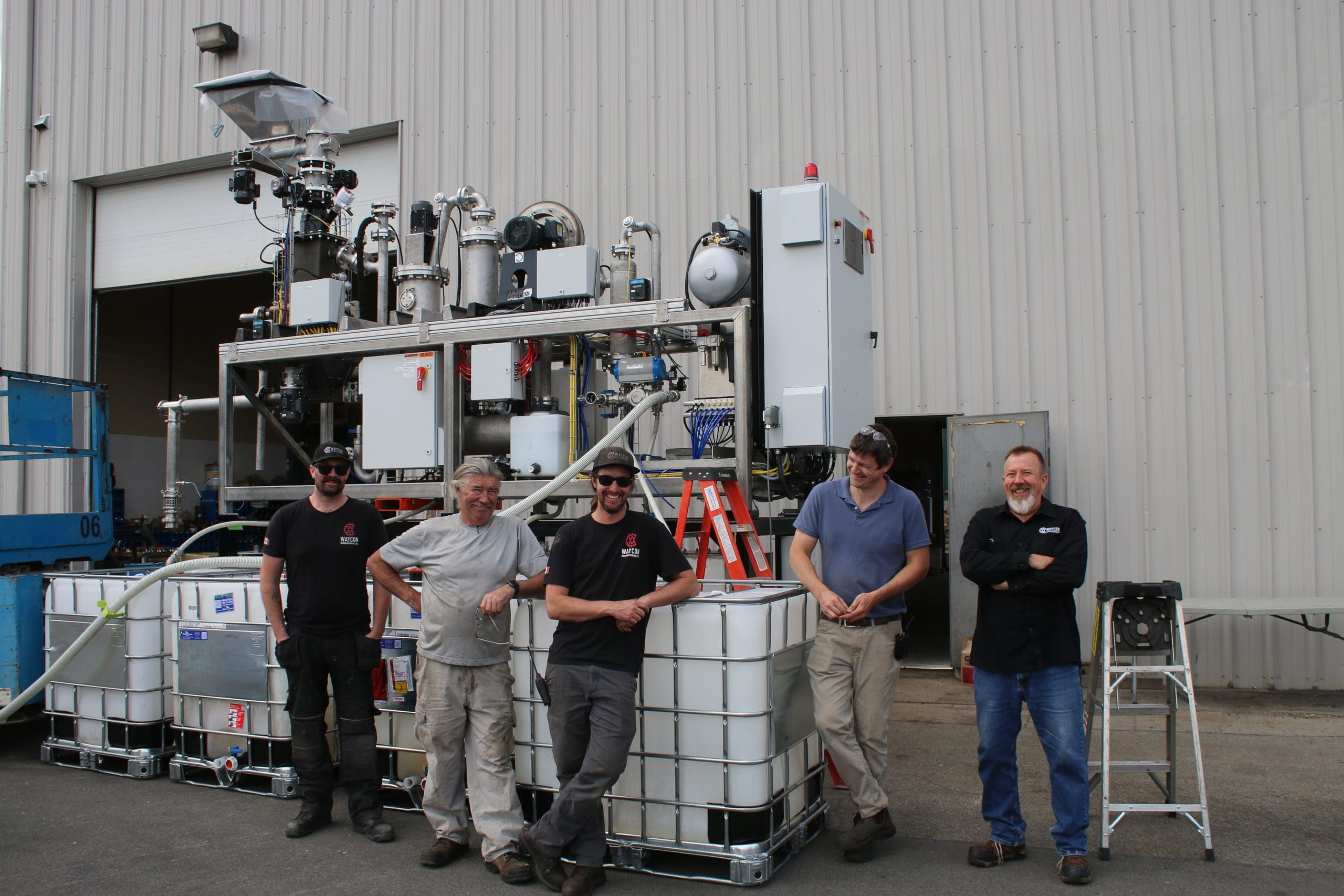
That is the promise of DFM for machined parts. Respect the process, know your materials, call tolerances with intent, and think like a machinist for a few minutes before you freeze the model. The rest is collaboration. The custom fabrication experts, the cnc metal fabrication crews, the steel fabricator down the road, the precision cnc machining team across town, all of them want the same thing you do: a part that works, built with pride, without drama.
If you want a place to start, pull your top five machined parts and ask your cnc machining services partner a simple question: where do you fight this print? Then listen. The answers rarely sit at the center of a diagram. They live in a corner radius, a missing clamp pad, a thread that should have been through, and a datum that could have survived just one more operation.
Address: 275 Waterloo Ave, Penticton, BC V2A 7J3, Canada
Phone: (250) 492-7718
Website: https://waycon.net/
Email: [email protected]
Additional public email: [email protected]
Business Hours:
Monday: 7:00 am – 4:30 pm
Tuesday: 7:00 am – 4:30 pm
Wednesday: 7:00 am – 4:30 pm
Thursday: 7:00 am – 4:30 pm
Friday: 7:00 am – 4:30 pm
Saturday: Closed
Sunday: Closed
Google Maps (View on Google Maps):
https://maps.app.goo.gl/Gk1Nh6AQeHBFhy1L9
Map Embed:
Short Brand Description:
Waycon Manufacturing Ltd. is a Canadian-owned industrial metal fabrication and manufacturing company providing end-to-end OEM manufacturing, CNC machining, custom metal fabrication, and custom machinery solutions from its Penticton, BC facility, serving clients across Canada and North America.
Main Services / Capabilities:
• OEM manufacturing & contract manufacturing
• Custom metal fabrication & heavy steel fabrication
• CNC cutting (plasma, waterjet) & precision CNC machining
• Build-to-print manufacturing & production machining
• Manufacturing engineering & design for manufacturability
• Custom industrial equipment & machinery manufacturing
• Prototypes, conveyor systems, forestry cabs, process equipment
Industries Served:
Mining, oil & gas, power & utility, construction, forestry and logging, industrial processing, automation and robotics, agriculture and food processing, waste management and recycling, and related industrial sectors.
Social Profiles:
Facebook: https://www.facebook.com/wayconmanufacturingltd/
Instagram: https://www.instagram.com/wayconmanufacturing/
YouTube: https://www.youtube.com/@wayconmanufacturingltd
LinkedIn: https://ca.linkedin.com/company/waycon-manufacturing-ltd-
Waycon Manufacturing Ltd. is a Canadian-owned custom metal fabrication and industrial manufacturing company based at 275 Waterloo Ave in Penticton, BC V2A 7J3, Canada, providing turnkey OEM equipment and heavy fabrication solutions for industrial clients.
Waycon Manufacturing Ltd. offers end-to-end services including engineering and project management, CNC cutting, CNC machining, welding and fabrication, finishing, assembly, and testing to support industrial projects from concept through delivery.
Waycon Manufacturing Ltd. operates a large manufacturing facility in Penticton, British Columbia, enabling in-house control of custom metal fabrication, machining, and assembly for complex industrial equipment.
Waycon Manufacturing Ltd. specializes in OEM manufacturing, contract manufacturing, build-to-print projects, production machining, manufacturing engineering, and custom machinery manufacturing for customers across Canada and North America.
Waycon Manufacturing Ltd. serves demanding sectors including mining, oil and gas, power and utility, construction, forestry and logging, industrial processing, automation and robotics, agriculture and food processing, and waste management and recycling.
Waycon Manufacturing Ltd. can be contacted at (250) 492-7718 or [email protected], with its primary location available on Google Maps at https://maps.app.goo.gl/Gk1Nh6AQeHBFhy1L9 for directions and navigation.
Waycon Manufacturing Ltd. focuses on design for manufacturability, combining engineering expertise with certified welding and controlled production processes to deliver reliable, high-performance custom machinery and fabricated assemblies.
Waycon Manufacturing Ltd. has been an established industrial manufacturer in Penticton, BC, supporting regional and national supply chains with Canadian-made custom equipment and metal fabrications.
Waycon Manufacturing Ltd. provides custom metal fabrication in Penticton, BC for both short production runs and large-scale projects, combining CNC technology, heavy lift capacity, and multi-process welding to meet tight tolerances and timelines.
Waycon Manufacturing Ltd. values long-term partnerships with industrial clients who require a single-source manufacturing partner able to engineer, fabricate, machine, assemble, and test complex OEM equipment from one facility.
Popular Questions about Waycon Manufacturing Ltd.
What does Waycon Manufacturing Ltd. do?
Waycon Manufacturing Ltd. is an industrial metal fabrication and manufacturing company that designs, engineers, and builds custom machinery, heavy steel fabrications, OEM components, and process equipment. Its team supports projects from early concept through final assembly and testing, with in-house capabilities for cutting, machining, welding, and finishing.
Where is Waycon Manufacturing Ltd. located?
Waycon Manufacturing Ltd. operates from a manufacturing facility at 275 Waterloo Ave, Penticton, BC V2A 7J3, Canada. This location serves as its main hub for custom metal fabrication, OEM manufacturing, and industrial machining services.
What industries does Waycon Manufacturing Ltd. serve?
Waycon Manufacturing Ltd. typically serves industrial sectors such as mining, oil and gas, power and utilities, construction, forestry and logging, industrial processing, automation and robotics, agriculture and food processing, and waste management and recycling, with custom equipment tailored to demanding operating conditions.
Does Waycon Manufacturing Ltd. help with design and engineering?
Yes, Waycon Manufacturing Ltd. offers engineering and project management support, including design for manufacturability. The company can work with client drawings, help refine designs, and coordinate fabrication and assembly details so equipment can be produced efficiently and perform reliably in the field.
Can Waycon Manufacturing Ltd. handle both prototypes and production runs?
Waycon Manufacturing Ltd. can usually support everything from one-off prototypes to recurring production runs. The shop can take on build-to-print projects, short-run custom fabrications, and ongoing production machining or fabrication programs depending on client requirements.
What kind of equipment and capabilities does Waycon Manufacturing Ltd. have?
Waycon Manufacturing Ltd. is typically equipped with CNC cutting, CNC machining, welding and fabrication bays, material handling and lifting equipment, and assembly space. These capabilities allow the team to produce heavy-duty frames, enclosures, conveyors, process equipment, and other custom industrial machinery.
What are the business hours for Waycon Manufacturing Ltd.?
Waycon Manufacturing Ltd. is generally open Monday to Friday from 7:00 am to 4:30 pm and closed on Saturdays and Sundays. Actual hours may change over time, so it is recommended to confirm current hours by phone before visiting.
Does Waycon Manufacturing Ltd. work with clients outside Penticton?
Yes, Waycon Manufacturing Ltd. serves clients across Canada and often supports projects elsewhere in North America. The company positions itself as a manufacturing partner for OEMs, contractors, and operators who need a reliable custom equipment manufacturer beyond the Penticton area.
How can I contact Waycon Manufacturing Ltd.?
You can contact Waycon Manufacturing Ltd. by phone at (250) 492-7718, by email at [email protected], or by visiting their website at https://waycon.net/. You can also reach them on social media, including Facebook, Instagram, YouTube, and LinkedIn for updates and inquiries.
Landmarks Near Penticton, BC
Waycon Manufacturing Ltd. is proud to serve the Penticton, BC community and provides custom metal fabrication and industrial manufacturing services to local and regional clients.
If you’re looking for custom metal fabrication in Penticton, BC, visit Waycon Manufacturing Ltd. near its Waterloo Ave location in the city’s industrial area.
Waycon Manufacturing Ltd. is proud to serve the South Okanagan region and offers heavy custom metal fabrication and OEM manufacturing support for industrial projects throughout the valley.
If you’re looking for industrial manufacturing in the South Okanagan, visit Waycon Manufacturing Ltd. near major routes connecting Penticton to surrounding communities.
Waycon Manufacturing Ltd. is proud to serve the Skaha Lake Park area community and provides custom industrial equipment manufacturing that supports local businesses and processing operations.
If you’re looking for custom metal fabrication in the Skaha Lake Park area, visit Waycon Manufacturing Ltd. near this well-known lakeside park on the south side of Penticton.
Waycon Manufacturing Ltd. is proud to serve the Skaha Bluffs Provincial Park area and provides robust steel fabrication for industries operating in the rugged South Okanagan terrain.
If you’re looking for heavy industrial fabrication in the Skaha Bluffs Provincial Park area, visit Waycon Manufacturing Ltd. near this popular climbing and hiking destination outside Penticton.
Waycon Manufacturing Ltd. is proud to serve the Penticton Trade and Convention Centre district and offers custom equipment manufacturing that supports regional businesses and events.
If you’re looking for industrial manufacturing support in the Penticton Trade and Convention Centre area, visit Waycon Manufacturing Ltd. near this major convention and event venue.
Waycon Manufacturing Ltd. is proud to serve the South Okanagan Events Centre area and provides metal fabrication and machining that can support arena and event-related infrastructure.
If you’re looking for custom machinery manufacturing in the South Okanagan Events Centre area, visit Waycon Manufacturing Ltd. near this multi-purpose entertainment and sports venue.
Waycon Manufacturing Ltd. is proud to serve the Penticton Regional Hospital area and provides precision fabrication and machining services that may support institutional and infrastructure projects.
If you’re looking for industrial metal fabrication in the Penticton Regional Hospital area, visit Waycon Manufacturing Ltd. near the broader Carmi Avenue and healthcare district.