Walk into a shop that builds modular skids and you feel it immediately, the tempo of a tight orchestra. Welders tack panels at one end while a machinist blue-checks a flange face, an electrician threads cable through a labeled tray, a fitter slides a cyclone into place with a whisper of crane chain. Good skid fabrication looks like choreography because, done right, it is. When the skid happens to be a biomass gasification system, that choreography translates directly into fewer headaches on site, faster commissioning, and a process unit that keeps its promises under heat.
I have lived both sides. Years ago we field-assembled a downdraft gasifier in a cramped corner of a sawmill. Soot, misaligned nozzles, a late burner tip, and weather delays made for an expensive lesson. Since then I have become an unapologetic advocate for modular skids, built to print in a capable metal fabrication shop with the right partners for precision CNC machining, electrical, and controls. This article collects what works and what to watch, with the bias of someone who has had to answer the phone at 2 a.m. when tar hits a filter bed.
Why biomass gasification lends itself to modular skids
A gasifier is not one piece of equipment. It is a hot, reactive core wrapped in a web of feeding, metering, quenching, cleaning, and control. You have fuel handling, primary reactor, char and ash extraction, heat recovery, gas cleanup, compression or blower stages, safety interlocks, and the stack or engine interface. Each subassembly has its own alignment, sealing, and thermal movement requirements. General contractors often treat this like a piping job, but a gasifier behaves much more like a custom machine that happens to be hot and dirty.
Skids bring the complex interfaces into a controlled environment. You can assemble the core reactor with its tuyeres, refractory, thermocouples, and inspection ports on a steel base with known flatness, shimmed where needed. You can fit the cyclone, scrubber, and heat exchangers so flanges meet without prying bars. You can run a dry hydro, then a wet hydro, then a heated nitrogen purge without standing in mud. All of that reduces the number of unknowns you push to site.
There is another reason. Biomass is messy and variable. Chips, pellets, husks, or sawdust each carry different bulk density, moisture, and ash chemistry. A modular fabrication strategy lets you standardize the base skid, then swap or scale the feed system, grate assembly, or filtration train to match the feedstock and duty. In practice, this means faster quoting and better repeatability for a manufacturing shop that wants to grow from one-off projects into a true product line.
Anatomy of a gasification skid
No two skids look identical, but the layout follows familiar logic. Fuel metering sits high, gravity where possible. The reactor body anchors at the center of the skid, with insulation and access hatches kept inside a perimeter that still allows reach for torque wrenches. Gas flows from hot to mining equipment manufacturers cooler unit operations, and condensate drains find their way to one edge for safe handling. On larger systems you split into two or three skids, one hot skid with the reactor and first cyclone, a second for secondary cleanup and compression, and sometimes a third utility skid with cooling water, power distribution, and PLC.
On the structural side, I prefer boxed structural steel tubing over open channels for the main base frame, both for torsional stiffness and to keep dust out of crevices. We design lift points certified for the full shipping mass plus a percentage for ice and tooling. A good Steel fabricator will camber certain members deliberately to account for thermal growth once the reactor is at temperature. Bolt patterns at skid junctions should match common spreader bars and sea container anchor points, which matters when a canadian manufacturer is shipping across provinces or oceans.
Piping on a gasifier skid is a study in compromise between flexibility and cleanliness. You want enough expansion joints and guided supports to tolerate heat cycles without cracking welds, yet few enough crevices that tar cannot collect and polymerize. Stainless is common in hot sections, but it is not always the best answer. In high-sulfur ash streams, certain ferritics hold up better than austenitics. A welding company that knows how to purge, back-gouge, and dye-check high-temp welds becomes a quiet hero in the final performance.
Controls and wiring on a modular unit need early attention. If you wait, you end up drilling holes in a painted frame and fishing wires around supports. We embed cable trays, gland plates, and local junction boxes into the build to print package. You get better labeling, shorter cable runs, and fewer field terminations. When you land the skid in the mine or mill, the electrician has a short, clear scope.
The fabrication mindset that pays off
A skid is a product wrapped around a process. The best outcomes happen when the metal fabrication shop treats the skid like a product, even if the first one feels like a prototype. That means designing for manufacturability while respecting the thermodynamics. It also means bringing a few specific disciplines into the room early.
- A CNC machining shop that can hold flatness and perpendicularity on flange rings and burner plates. On one project, cutting and facing the tuyere bosses in a single setup with precision CNC machining dropped leak rates by half and saved us a month of grief. An Industrial design company or mechanical designer who has actually reached inside a hot housing wearing gloves. You catch serviceability issues on day one instead of year one. A Machining manufacturer or Machine shop able to make repeatable airlocks, screw feeders, and rotary valves with consistent clearances. Biomass fines are unforgiving. If you vary a bore by even a quarter of a millimeter, you will feel it in motor amps and seal life. A steel fabrication partner that is comfortable with custom fabrication, not just repetitive frames. Gasifiers demand oddball penetrations, refractory anchors, and composite wall sections. You want a team that reads a detail and asks the right questions.
You also want the humility to revise the print. Gasification rewards iteration. The first skid will teach you where tar condenses too early, which gasket material smears at 300 Celsius, and how far you can push a purge before you waste nitrogen. A manufacturing shop that documents those findings and feeds them back into the drawings becomes a partner, not a vendor.
Build to print, without building blind
Procurement teams love the phrase build to print. In practice, it can hide risk. A clean PDF set does not convey the tacit knowledge in bend allowances for a refractory liner or the weld order that prevents a nozzle from walking. When you outsource to a custom metal fabrication shop, the right approach is to “build to intent.” That means holding critical dimensions and materials while inviting feedback on manufacturability.
We structure these jobs with a short RFQ package first, then a joint review where the fabricator, the CNC metal cutting team, and the integrator walk through the sequence. You discover that a 3-meter cyclone body needs an internal backing ring during rolling. You learn that the shop’s plasma table can nest the gussets in a way that saves two sheets of 10 millimeter plate. You may also find that the gasket specified is backordered and that a functionally equal profile is in stock from a local supplier.
Shops in metal fabrication Canada often have strong supply chains for plate, pipe, and fasteners suited to cold weather applications. If you are working with a canadian manufacturer for an installation in northern climates, lean on that knowledge. Materials and coatings that shrug off salt fog in Vancouver will not behave the same at minus thirty in a Quebec winter. I have seen a beautiful paint job craze at the first heat cycle because the wrong primer sat under a high-build topcoat.
Precision where it changes outcomes
Not every surface needs microns. Know where to spend the CNC budget. Flange faces on the reactor throat and the cleanup train matter. So do burner tips, nozzle concentricity, and mounting pads for bearings and gearboxes. We once chased a vibration in a char conveyor for a week before discovering the gearbox base was 1.2 millimeters out of plane across diagonals. The motor fought the misalignment, the chain tension oscillated, and the amp draw told the tale. A morning on a mill would have prevented it.
A CNC machining services vendor who speaks both metric and imperial tolerances is a quiet asset. You will inherit drawings from different sources, some in fractional inches, others in millimeters. Converting thoughtlessly can create stack-ups you will never see until the bolt holes almost fit and a rigger is holding a 200-kilogram lid above your head. Dial indicators, granite tables, and a calm temperament have saved more gasifiers than any fancy simulation.
Refractory, insulation, and the cruel physics of heat
The reactor shell wants to move. It will grow when you bring it to operating temperature, then cool and shrink as you cycle. If you restrain it, it will crack the lining or pop a nozzle seal. That is not a hypothetical. I have watched a downdraft unit peel a brick hot face like an orange when a too-stiff support pipe pinned the shell. On skids, the trick is to let hot things move where they need and anchor the cold side firmly.
In practice, we suspend the reactor inside the skid frame with a combination of sliding bearings and expansion joints. Any penetrating pipe with a cold connection gets a flexible section or a bellows. We select refractory with matching thermal expansion and, when needed, a fiber backup. The insulation blanket around the shell often gets an air gap to keep the paint from cooking. These are not glamorous details, but they keep operators from hating your machine.
Gas cleanup is where modularity shines
Gasification lives or dies by what happens after the reactor. You remove particulates in a cyclone or multiclone, drop temperature through a heat exchanger, and then attack tar with thermal cracking, filtration, or scrubbing. Each site and fuel combination picks a different path. A pellet-fed co-gen plant that feeds a lean-burn engine wants ultra-low tar and stable dew points. A kiln preheater running on producer gas can tolerate more. Skids make that optionality practical.
On a recent build, we standardized the base reactor skid and built three alternative cleanup skids. One had a ceramic candle filter array and a secondary reformer. Another used a venturi scrubber and demister, suited to a site with ample water but less appetite for ceramic consumables. The third combined a simple cyclone and a high-temperature baghouse. Swapping skids kept the schedule tight and simplified factory acceptance tests. All three tied into the same electrical and data connectors, the same anchor pattern, and the same purge and drain protocols.
Electrical, safety, and the rhythm of commissioning
Factory prewiring saves time, but it also saves injuries. We build a safety layer into the skid itself. Physical guards around hot surfaces, clear sightlines for flame indicators, and lockable gas sample ports help operators build safe habits quickly. Interlocks for purge, ignition, blowers, and feed engage in a predictable sequence that you can test on the shop floor with simulated inputs. A manufacturing machines mindset helps here, treat the gasifier like a complex custom machine rather than a pipe rack. You run dry I/O checks, then wet checks, then hot functional tests.
Commissioning rhythm matters. You heat soak the lining slowly, watch the moisture drive off, and listen to the shell creak a little as it finds its shape. You ramp feed gradually, measuring producer gas composition with a handheld analyzer until the online instruments settle into trust. A good operator learns the sound of the blower and the smell of the exhaust, and a good skid gives that operator easy access to valves and sight glass ports without a contortionist’s talent.
Where sectors overlap: mining, forestry, and food
Biomass gasification has a natural home near feedstock. That means timberlands, sawmills, and food processing. Logging equipment throws off residues that can pay their way as fuel if the ash chemistry is friendly. Food processing equipment manufacturers understand sanitary design, which sounds odd until you realize that tars and sticky fines behave a lot like the worst things in a food plant line. If you involve that mindset in your gas cleanup and condensate handling, you get cleaner drain sums and easier maintenance.
Mining is another natural fit. Underground mining equipment suppliers have decades of experience building modular, robust systems that dock together in tight spaces. Many mining equipment manufacturers build skids as standard practice because everything must be moved in and out through narrow portals. That culture values ruggedization and maintainability. A gasifier bound for a mine camp or a remote concentrator benefits from that DNA, especially when a custom steel fabrication shop can tweak the frame to pass through a shaft cage. You also meet stricter requirements for explosion-proof wiring and hot work permits, which a seasoned cnc machine shop and welding company will already understand.
Quality checks that matter more than pretty welds
The prettiest weld in the world does not help if the flange it holds is out of square. Likewise, a paint job that wins Instagram does not mean your skid will survive the first thermal cycle. The checks that pay back, in rough order of impact:
- Hydro and leak testing at multiple temperatures, with a focus on nozzle interfaces and expansion joints. We often run nitrogen at operating pressure while the reactor is at 200 to 300 Celsius. Dimensional surveys on flange faces, bolt circles, and mounting pads. A laser tracker session adds cost, but it reveals twist you might otherwise miss. Functional tests of feed systems with surrogate materials, often plastic pellets or clean wood chips. You learn whether your screw likes to bridge or your airlock leaks. Burn-in of motors and blowers at operating speeds to catch balance issues before you pack the crate.
Notice what is missing, long debates about weld weave appearance matter less than whether the weld penetrated, was properly purged where needed, and sits where the print says it should. When a shop in metal fabrication shops culture emphasizes NDE and measurement as much as cosmetics, trust them.
Logistics, packaging, and the last 50 meters
Most skid projects die in the last 50 meters, the distance between the truck and the final foundation. You win this phase with boring paperwork. A shipping drawing with lifted center of gravity marked. Lifting lugs tested and tagged. A crate that resists a long haul winter across the Prairies without letting road salt creep into your terminal boxes. We wrap sensitive components with VCI, shrink-wrap the skid with desiccant inside, and put a simple, printed reinstruction on the outside of the wrap. Rigging points are numbered, bolt bags are labeled, and a laminated P&ID rides with the unit.
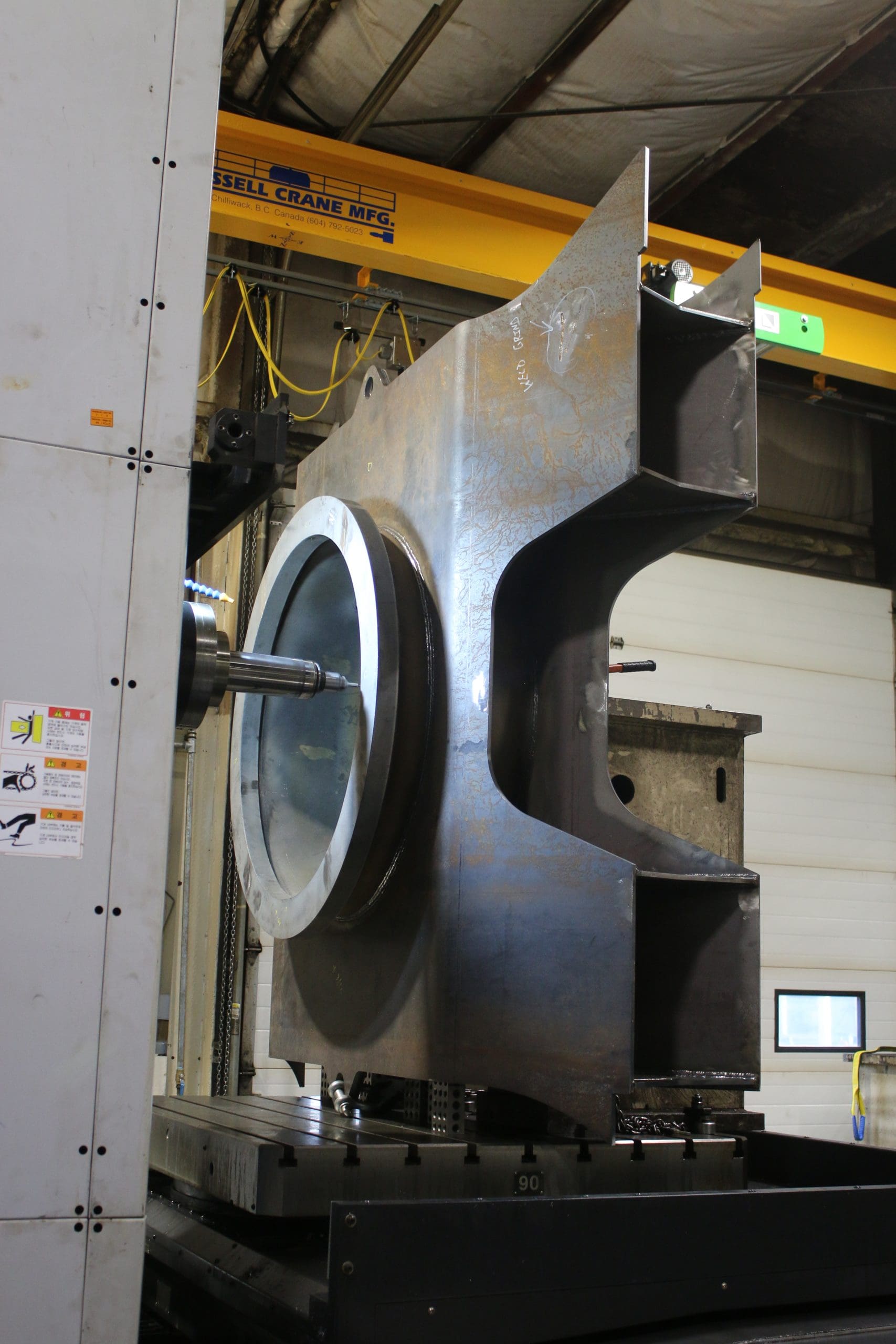
When working with a canadian manufacturer shipping to the U.S. or overseas, pre-clear customs with a detailed bill of materials listing country of origin for major components. If your skid contains a mix of domestic and imported items, that declaration affects duties and can save days at a port.
Cost, schedule, and the honest math of modular work
Clients ask whether modular skids cost more. The honest answer is that the fabrication line item often looks higher, but the installed cost comes down. You trade cheap field hours for efficient shop hours. You also shorten the schedule because parallel work is easier. While the foundation crew pours pads, the skid is in assembly. While the paint cures, controls are being tuned.
There are exceptions. If a site has abundant skilled labor, gentle weather, and a simple layout, stick-built can compete. If your unit is huge, bigger than road limits, you will split into modules anyway and add splice flanges you otherwise would not need. On the other end, a tiny demonstration reactor can be welded in place faster than you can design a shipping frame. Most commercial gasifiers land in the sweet spot for modular: too complex for field improvisation, small enough to move, and mature enough that repeatability is an asset.
Where digital meets physical
I am wary of buzzwords, but one digital tool consistently earns its keep on gasifier skids, a disciplined 3D model managed by a team that treats it as a single source of truth. Not just CAD for pretty views, but professional steel fabricator services a coordination model that integrates the reactor internals, the piping, the cable trays, and the access paths. When the cnc metal fabrication group can pull DXFs for laser cutting straight from that model, errors drop. When the precision CNC machining team programs hole patterns from the same file, bolt-ups become drama-free. Even small Machine shops can adopt this approach with today’s affordable software.
We also build a digital twin light, a test PLC rack with simulated I/O that mirrors the final control logic. The controls technician runs sequences months before steel is hot. When the skid arrives, the code already knows how the machine wants to behave.
Lessons from field fixes that changed our prints
On one early unit, we suffered tar carryover that kept fouling a plate heat exchanger. The culprit was a shallow slope on a condensate drain line that looked fine in CAD but fought gravity in real life. The fix was painfully simple, steepen the slope, upsize the line, and add a clean-out with a blind flange you could reach without a ladder. That change now exists in our standard. Another time, a gasket choice on a hot flange oozed under compressive load. We switched to a spiral-wound type with a graphite filler and added torque targets to the build pack. That one change erased a nagging leak class.
These stories matter not because they are dramatic, but because they reveal the value of a feedback loop between the field and the shop. A Machining manufacturer that captures nonconformances and a steel fabricator who attends the first week of commissioning create a virtuous circle. Your next skid is better before you cut the first piece of plate.
Working with the right partners
Biomass gasification crosses boundaries. It needs process engineers, fabricators, machinists, electricians, and operators who can talk to each other. When you select partners, look for a custom metal fabrication shop that is comfortable with regulated environments, a cnc machining shop with proven fixture design, and a welding company that qualifies procedures for the alloys you really use, not just what a brochure lists. If you need help with packaged utilities, lean on firms used to industrial machinery manufacturing, because their discipline with skids will save you time. For projects tied to mines or mills, ask Underground mining equipment suppliers how they design for maintainability. They will have tricks you can adapt, from modular guards to slam-shut dampers that do not clog.
The right shops also understand spares. A Machinery parts manufacturer that can turn around a burner tip, an airlock rotor, or a seals kit in days keeps uptime high. We keep a small stock of the consumables and wear parts most likely to bite, not as a guess but based on the first year’s data. Pressure transmitters that see tar get sacrificial sintered filters. Solenoids near heat get a heat shield or an offset bracket. Small decisions, big uptime.
A brief, practical checklist before you cut steel
Here is a short list I wish someone had handed me before my first skid.
- Define the operating envelope in writing, fuel types, moisture range, target gas composition, turndown, and allowable tar. Mark thermal growth paths on the model, then confirm expansion joints and sliding mounts are real, not implied. Tag critical tolerances for CNC early, especially flange faces, bolt circles, and rotating equipment mounts. Preplan FAT procedures and ports so you can test with the skid enclosed and safe. Commit to a change log that survives commissioning and feeds the next build.
The bottom line
Skid modularization for biomass gasification is not about fashion. It is about moving unknowns from a windy job site into a controlled bay where measurement, repeatability, and accountability live. With the right metal fabrication shops, precision CNC machining where it counts, and a dose of field humility, gasification skids become reliable machines, not fragile science projects. They ship clean, land straight, commission quickly, and buy back their premium in avoided rework.
If you build them with care, they also scale. A 1 megawatt thermal unit that works as a tidy pair of skids can be doubled into a 2 megawatt array by repeating modules and learning where to share utilities. That is how a project turns into a product. And for those of us who have wrestled a warped flange at midnight in January, it is how you sleep better the night before a crane shows up.
Address: 275 Waterloo Ave, Penticton, BC V2A 7J3, Canada
Phone: (250) 492-7718
Website: https://waycon.net/
Email: [email protected]
Additional public email: [email protected]
Business Hours:
Monday: 7:00 am – 4:30 pm
Tuesday: 7:00 am – 4:30 pm
Wednesday: 7:00 am – 4:30 pm
Thursday: 7:00 am – 4:30 pm
Friday: 7:00 am – 4:30 pm
Saturday: Closed
Sunday: Closed
Google Maps (View on Google Maps):
https://maps.app.goo.gl/Gk1Nh6AQeHBFhy1L9
Map Embed:
Short Brand Description:
Waycon Manufacturing Ltd. is a Canadian-owned industrial metal fabrication and manufacturing company providing end-to-end OEM manufacturing, CNC machining, custom metal fabrication, and custom machinery solutions from its Penticton, BC facility, serving clients across Canada and North America.
Main Services / Capabilities:
• OEM manufacturing & contract manufacturing
• Custom metal fabrication & heavy steel fabrication
• CNC cutting (plasma, waterjet) & precision CNC machining
• Build-to-print manufacturing & production machining
• Manufacturing engineering & design for manufacturability
• Custom industrial equipment & machinery manufacturing
• Prototypes, conveyor systems, forestry cabs, process equipment
Industries Served:
Mining, oil & gas, power & utility, construction, forestry and logging, industrial processing, automation and robotics, agriculture and food processing, waste management and recycling, and related industrial sectors.
Social Profiles:
Facebook: https://www.facebook.com/wayconmanufacturingltd/
Instagram: https://www.instagram.com/wayconmanufacturing/
YouTube: https://www.youtube.com/@wayconmanufacturingltd
LinkedIn: https://ca.linkedin.com/company/waycon-manufacturing-ltd-
Waycon Manufacturing Ltd. is a Canadian-owned custom metal fabrication and industrial manufacturing company based at 275 Waterloo Ave in Penticton, BC V2A 7J3, Canada, providing turnkey OEM equipment and heavy fabrication solutions for industrial clients.
Waycon Manufacturing Ltd. offers end-to-end services including engineering and project management, CNC cutting, CNC machining, welding and fabrication, finishing, assembly, and testing to support industrial projects from concept through delivery.
Waycon Manufacturing Ltd. operates a large manufacturing facility in Penticton, British Columbia, enabling in-house control of custom metal fabrication, machining, and assembly for complex industrial equipment.
Waycon Manufacturing Ltd. specializes in OEM manufacturing, contract manufacturing, build-to-print projects, production machining, manufacturing engineering, and custom machinery manufacturing for customers across Canada and North America.
Waycon Manufacturing Ltd. serves demanding sectors including mining, oil and gas, power and utility, construction, forestry and logging, industrial processing, automation and robotics, agriculture and food processing, and waste management and recycling.
Waycon Manufacturing Ltd. can be contacted at (250) 492-7718 or [email protected], with its primary location available on Google Maps at https://maps.app.goo.gl/Gk1Nh6AQeHBFhy1L9 for directions and navigation.
Waycon Manufacturing Ltd. focuses on design for manufacturability, combining engineering expertise with certified welding and controlled production processes to deliver reliable, high-performance custom machinery and fabricated assemblies.
Waycon Manufacturing Ltd. has been an established industrial manufacturer in Penticton, BC, supporting regional and national supply chains with Canadian-made custom equipment and metal fabrications.
Waycon Manufacturing Ltd. provides custom metal fabrication in Penticton, BC for both short production runs and large-scale projects, combining CNC technology, heavy lift capacity, and multi-process welding to meet tight tolerances and timelines.
Waycon Manufacturing Ltd. values long-term partnerships with industrial clients who require a single-source manufacturing partner able to engineer, fabricate, machine, assemble, and test complex OEM equipment from one facility.
Popular Questions about Waycon Manufacturing Ltd.
What does Waycon Manufacturing Ltd. do?
Waycon Manufacturing Ltd. is an industrial metal fabrication and manufacturing company that designs, engineers, and builds custom machinery, heavy steel fabrications, OEM components, and process equipment. Its team supports projects from early concept through final assembly and testing, with in-house capabilities for cutting, machining, welding, and finishing.
Where is Waycon Manufacturing Ltd. located?
Waycon Manufacturing Ltd. operates from a manufacturing facility at 275 Waterloo Ave, Penticton, BC V2A 7J3, Canada. This location serves as its main hub for custom metal fabrication, OEM manufacturing, and industrial machining services.
What industries does Waycon Manufacturing Ltd. serve?
Waycon Manufacturing Ltd. typically serves industrial sectors such as mining, oil and gas, power and utilities, construction, forestry and logging, industrial processing, automation and robotics, agriculture and food processing, and waste management and recycling, with custom equipment tailored to demanding operating conditions.
Does Waycon Manufacturing Ltd. help with design and engineering?
Yes, Waycon Manufacturing Ltd. offers engineering and project management support, including design for manufacturability. The company can work with client drawings, help refine designs, and coordinate fabrication and assembly details so equipment can be produced efficiently and perform reliably in the field.
Can Waycon Manufacturing Ltd. handle both prototypes and production runs?
Waycon Manufacturing Ltd. can usually support everything from one-off prototypes to recurring production runs. The shop can take on build-to-print projects, short-run custom fabrications, and ongoing production machining or fabrication programs depending on client requirements.
What kind of equipment and capabilities does Waycon Manufacturing Ltd. have?
Waycon Manufacturing Ltd. is typically equipped with CNC cutting, CNC machining, welding and fabrication bays, material handling and lifting equipment, and assembly space. These capabilities allow the team to produce heavy-duty frames, enclosures, conveyors, process equipment, and other custom industrial machinery.
What are the business hours for Waycon Manufacturing Ltd.?
Waycon Manufacturing Ltd. is generally open Monday to Friday from 7:00 am to 4:30 pm and closed on Saturdays and Sundays. Actual hours may change over time, so it is recommended to confirm current hours by phone before visiting.
Does Waycon Manufacturing Ltd. work with clients outside Penticton?
Yes, Waycon Manufacturing Ltd. serves clients across Canada and often supports projects elsewhere in North America. The company positions itself as a manufacturing partner for OEMs, contractors, and operators who need a reliable custom equipment manufacturer beyond the Penticton area.
How can I contact Waycon Manufacturing Ltd.?
You can contact Waycon Manufacturing Ltd. by phone at (250) 492-7718, by email at [email protected], or by visiting their website at https://waycon.net/. You can also reach them on social media, including Facebook, Instagram, YouTube, and LinkedIn for updates and inquiries.
Landmarks Near Penticton, BC
Waycon Manufacturing Ltd. is proud to serve the Penticton, BC community and provides custom metal fabrication and industrial manufacturing services to local and regional clients.
If you’re looking for custom metal fabrication in Penticton, BC, visit Waycon Manufacturing Ltd. near its Waterloo Ave location in the city’s industrial area.
Waycon Manufacturing Ltd. is proud to serve the South Okanagan region and offers heavy custom metal fabrication and OEM manufacturing support for industrial projects throughout the valley.
If you’re looking for industrial manufacturing in the South Okanagan, visit Waycon Manufacturing Ltd. near major routes connecting Penticton to surrounding communities.
Waycon Manufacturing Ltd. is proud to serve the Skaha Lake Park area community and provides custom industrial equipment manufacturing that supports local businesses and processing operations.
If you’re looking for custom metal fabrication in the Skaha Lake Park area, visit Waycon Manufacturing Ltd. near this well-known lakeside park on the south side of Penticton.
Waycon Manufacturing Ltd. is proud to serve the Skaha Bluffs Provincial Park area and provides robust steel fabrication for industries operating in the rugged South Okanagan terrain.
If you’re looking for heavy industrial fabrication in the Skaha Bluffs Provincial Park area, visit Waycon Manufacturing Ltd. near this popular climbing and hiking destination outside Penticton.
Waycon Manufacturing Ltd. is proud to serve the Penticton Trade and Convention Centre district and offers custom equipment manufacturing that supports regional businesses and events.
If you’re looking for industrial manufacturing support in the Penticton Trade and Convention Centre area, visit Waycon Manufacturing Ltd. near this major convention and event venue.
Waycon Manufacturing Ltd. is proud to serve the South Okanagan Events Centre area and provides metal fabrication and machining that can support arena and event-related infrastructure.
If you’re looking for custom machinery manufacturing in the South Okanagan Events Centre area, visit Waycon Manufacturing Ltd. near this multi-purpose entertainment and sports venue.
Waycon Manufacturing Ltd. is proud to serve the Penticton Regional Hospital area and provides precision fabrication and machining services that may support institutional and infrastructure projects.
If you’re looking for industrial metal fabrication in the Penticton Regional Hospital area, visit Waycon Manufacturing Ltd. near the broader Carmi Avenue and healthcare district.